Why taking a tablespoon of olive oil on an empty stomach can improve your health
Although it does not replace a healthy lifestyle, olive oil is a supplement worth considering for those looking for a natural boost in their diet.
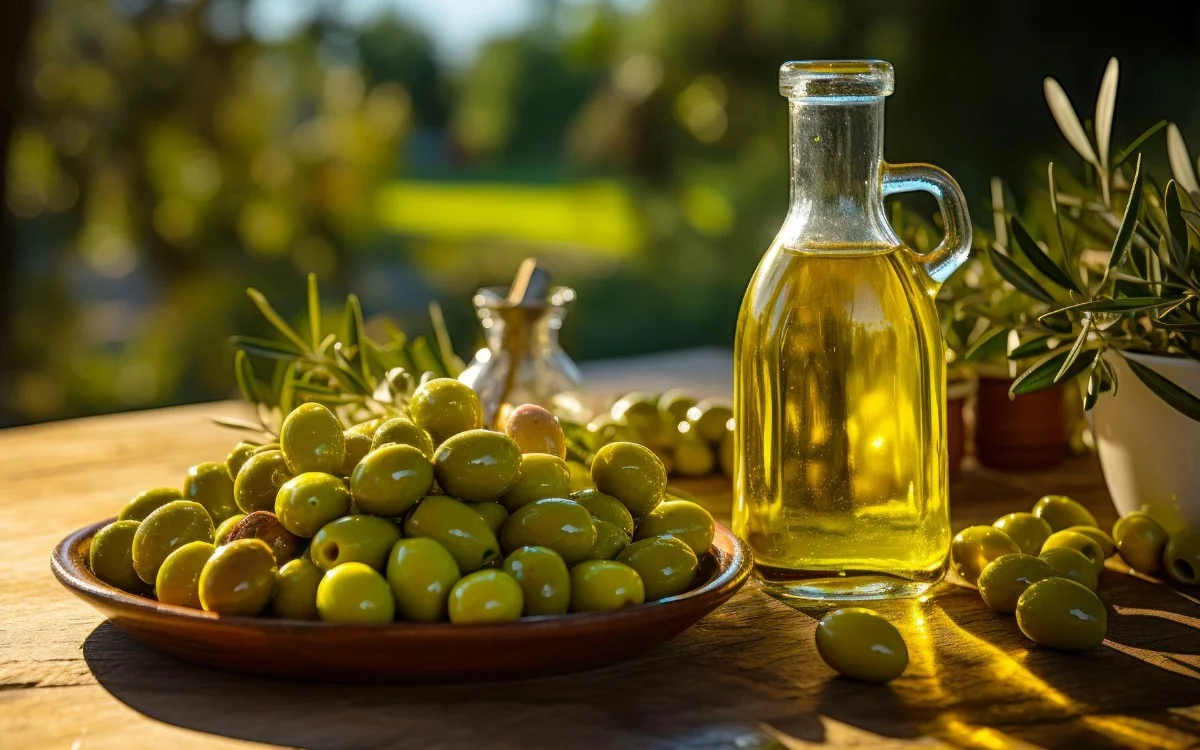
Consuming a tablespoon of olive oil on an empty stomach is an increasingly recommended practice by health specialists, especially by gastroenterologist Facundo Pereyra, who emphasizes the benefits that this habit can bring to the body. Extra virgin olive oil, obtained through a careful cold-pressing process, concentrates key nutrients that contribute to overall well-being, from protecting the digestive system to reducing the risk of cardiovascular diseases.
Taking olive oil on an empty stomach allows the body to directly receive its beneficial compounds, such as polyphenols, known for their powerful antioxidant effect. These elements help combat free radicals, promoting cellular health and reducing inflammation, a factor that, according to Pereyra, can be key for those looking to improve their quality of life through nutrition.
Benefits of consuming olive oil on an empty stomach
Every day more people adopt the habit of ingesting a tablespoon of extra virgin olive oil on an empty stomach, a practice supported by studies and experts that indicate improvements in both intestinal health and the cardiovascular system. Let's explore some of the benefits of this practice:
1. Promotes intestinal regularity:
One of the main benefits of consuming olive oil on an empty stomach is its ability to act as a mild laxative. Its action lubricates the walls of the intestine, facilitating transit and evacuation, which can be very helpful for people suffering from constipation. This is because the compounds in olive oil stimulate the digestive system without causing irritation, promoting regularity and improving digestion.
2. Natural anti-inflammatory action:
Olive oil contains a compound called oleocanthal, whose structure and effects resemble those of ibuprofen, a common anti-inflammatory. Consuming a tablespoon of olive oil on an empty stomach allows the body to absorb oleocanthal without interference, directly benefiting the reduction of inflammation in the body. According to recent studies, this effect could help in the prevention of chronic inflammatory diseases.
3. Ally for cardiovascular health:
Thanks to its high content of monounsaturated fatty acids, olive oil helps reduce the risk of heart disease. Gastroenterologist Pereyra points out that by consuming olive oil on an empty stomach, the absorption of these essential fatty acids is facilitated, promoting better control of blood cholesterol levels. Specifically, olive oil helps increase HDL cholesterol (the “good”) and reduce LDL cholesterol (the “bad”), which is crucial for maintaining good cardiovascular health.
4. Improves skin health:
In addition to its internal benefits, olive oil contributes to more hydrated and healthy skin. Its antioxidants and essential fatty acids, absorbed more effectively when consumed on an empty stomach, can help reduce oxidative damage to the skin, which is one of the main factors of premature aging. Regular consumption also contributes to more flexible and radiant skin.
5. Balances cholesterol levels:
Consuming olive oil on an empty stomach is especially effective for those seeking natural control of their cholesterol levels. It increases HDL (good cholesterol) and reduces LDL (bad cholesterol), thus minimizing the risk of heart problems and promoting healthy circulation.
How to consume olive oil on an empty stomach and specialist recommendations
To make the most of the benefits of this habit, it is recommended to consume olive oil on an empty stomach, before ingesting any other food, allowing the body to directly absorb its nutrients. Specialist Facundo Pereyra suggests taking a tablespoon of extra virgin olive oil, as its cold extraction process better preserves its beneficial properties. Let's look at some recommendations and precautions regarding this:
1. Always opt for extra virgin olive oil:
The quality of the oil is a crucial factor in obtaining its benefits. Extra virgin olive oil is the purest, as it is obtained from the first pressing of the olives and contains no additives. This ensures a higher concentration of polyphenols and other antioxidants that, according to studies, have a positive effect on health.
2. Moderate consumption:
While olive oil is highly healthy, it is also caloric. Each tablespoon provides about 120 calories, so it is important to consume it in moderation, especially for those following a low-calorie diet or looking to maintain their weight. Pereyra notes that one tablespoon on an empty stomach is sufficient to obtain its benefits without excess calories.
3. Avoid it if you experience intolerances:
Although rare, some people may experience digestive discomfort when consuming olive oil on an empty stomach, including diarrhea or nausea. In these cases, it is advisable to try a smaller amount or consult a healthcare professional before integrating it into the daily diet. These reactions can occur due to the stomach's sensitivity to receiving fat on an empty stomach.
Other properties of olive oil for the body
In addition to the mentioned benefits, extra virgin olive oil contains a wide variety of vitamins, especially from groups A, D, E, and K. These vitamins perform essential functions for bone health, the immune system, and cellular protection.
- Vitamin E: With antioxidant properties, it protects cells from oxidative damage and helps maintain healthy skin.
- Vitamin K: Important for blood clotting and bone health.
- Vitamins A and D: Contribute to eye and bone health, respectively, and their absorption is facilitated by consuming the oil on an empty stomach.
Olive oil in Mediterranean culture and its impact on health
In the Mediterranean diet, recognized by the World Health Organization (WHO) as one of the healthiest, olive oil occupies an essential place. This habit, combined with other factors such as the consumption of fruits, vegetables, and fish, has been linked to increased life expectancy and a lower incidence of chronic diseases. Incorporating a tablespoon of olive oil on an empty stomach is a simple way to take advantage of the benefits of this diet, known for its focus on natural foods rich in antioxidants.
In summary, taking olive oil on an empty stomach can be a simple and powerful habit to improve health. From its antioxidant action to its anti-inflammatory effects, this practice is recommended by experts like Pereyra for its potential to contribute to the overall well-being of the body. While it does not replace a healthy lifestyle, it is a supplement worth considering for those seeking a natural boost in their diet.