The money plant that everyone has but almost nobody places correctly: this is the key spot to attract positive energy at home.
We show you the plant that everyone wants at home for its positive energy. Discover where to place it to activate prosperity and abundance.
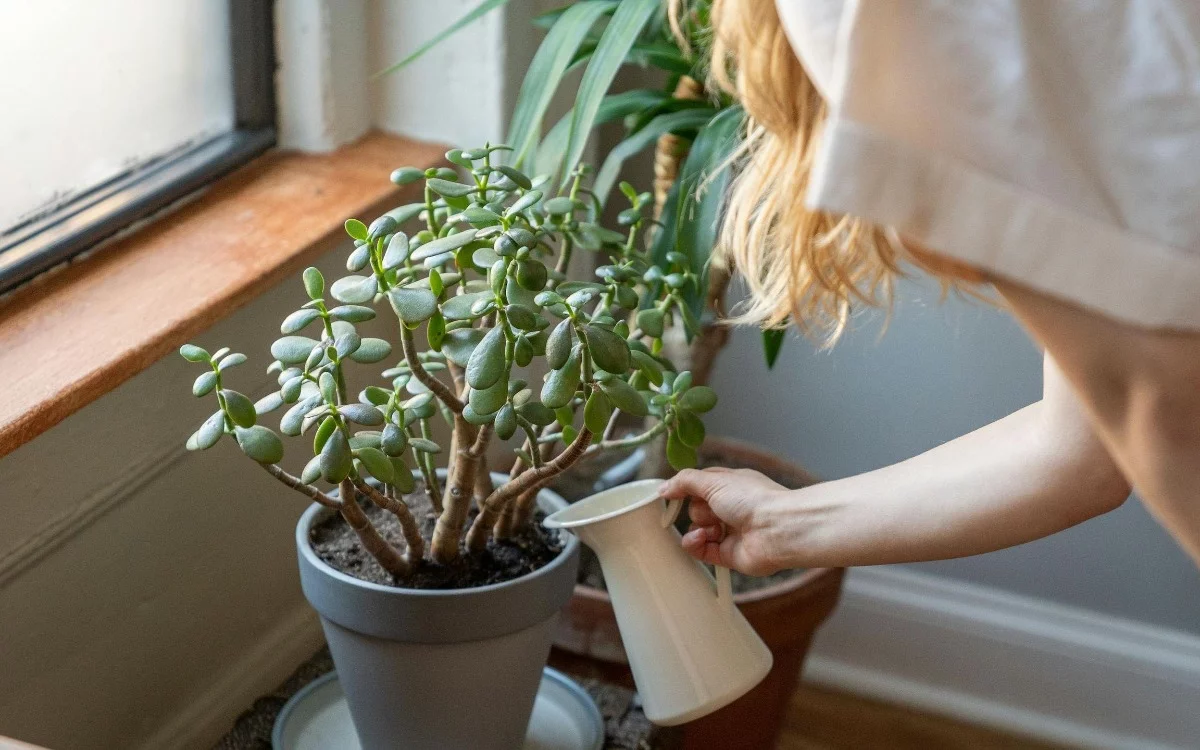
The crassula ovata, known as the jade tree, has become one of the most sought-after species for those wishing to attract harmony, prosperity, and balance in the home. Although many confuse it with a bonsai due to its compact size and slow growth, it is actually a succulent with unique characteristics that made it stand out in practices like Feng Shui. In this context, it is believed that this plant not only decorates but also influences the energy of the environment, helping the “chi” to flow positively in everyday spaces.
Why the crassula ovata is associated with good fortune
The jade tree did not gain its fame by chance. This plant, native to regions of Africa such as South Africa and Mozambique, has been adopted by various cultures due to its distinctive appearance and resilience. Its fleshy, rounded leaves of intense green have long evoked the shape of small coins, leading to its most popular nickname: the “money plant.”
As explained by the specialized media Architectural Digest, this visual association was key to linking it with economic abundance. In many homes and offices, it began to be strategically placed as a symbol of financial growth and stability.
But it was not just about money. In Feng Shui, the ancient Chinese discipline that seeks to harmonize spaces, this plant is also related to vital energy, emotional balance, and prosperity in a broad sense. That is to say, it is valued not only for the material but also for its ability to generate overall well-being.
How to recognize this plant that many confuse with a bonsai
One of the most striking aspects of the crassula ovata is its aesthetics. At first glance, many people believe they are facing a bonsai, but there are clear differences. While the bonsai requires specific pruning and shaping techniques, this succulent develops its shape naturally.
Its main characteristics are:
- The leaves are thick, shiny, and fleshy in texture, allowing it to store water.
- The intense green color can acquire reddish tones at the edges if it receives good lighting.
- Its trunk is firm, with a woody appearance as it ages.
- Its growth is slow, making it easy to maintain in small pots.
This combination of factors has made it an ideal plant for indoors. Additionally, its harmonious and compact shape adds a highly sought-after decorative value in modern homes.
Where to place it to enhance its energetic benefits
The location of this plant is not a minor detail. Within Feng Shui, each space in the home has a distinct symbolic charge, and placing the jade tree in the right spot can enhance its supposed benefits.
According to the specialized portal El Mueble, the most recommended point is the southeast corner of the house. This area is linked to wealth and prosperity, making it ideal for activating economic energy.
However, there are other locations that also stood out:
Near the main entrance: It is believed to allow positive energy to enter the home.
On the desk or work area: It would favor creativity, concentration, and professional growth.
In bright living room spaces: It helps maintain a balanced and relaxing atmosphere.
These recommendations are not based on scientific evidence, but they are part of a cultural tradition that millions of people follow around the world.
What conditions it needs to grow healthy indoors
Beyond energetic beliefs, the truth is that the crassula ovata is a resilient and easy-to-care-for plant. This characteristic has made it an ideal option for both gardening experts and beginners.
To keep it in good condition, it is important to consider some basic care:
- It needs good lighting, but not prolonged direct sunlight. Intense light can burn its leaves.
- It prefers warm and stable environments, away from cold drafts.
- It requires a substrate with excellent drainage, specially formulated for succulents.
- Watering should be moderate. It is only recommended to water when the soil is completely dry.
Excess water is the main enemy of this plant. When the roots remain wet for too long, they can rot and cause leaf drop or even the death of the specimen.
Why it became a trend in interior decoration
In recent years, the jade tree has gained prominence in design magazines and social media. Its minimalist aesthetics and symbolism have positioned it as one of the most chosen plants to decorate small spaces.
Additionally, its compact size allowed it to be easily integrated into desks, shelves, and side tables. Unlike other more demanding species, this succulent offered an ideal combination: low maintenance and high visual impact.
The growing interest in practices like Feng Shui also influenced the search for elements that bring balance and well-being to the home. In this context, the crassula ovata has established itself as an accessible and versatile option.
What those who incorporated it into their home say
Many people who adopted this plant highlighted not only its ease of care but also the change in the perception of the environment. Although its energetic influence cannot be scientifically proven, there is a consensus around its aesthetic and emotional value.
“Since I placed it at the entrance, I feel the space is more harmonious,” commented a user on social media. Another testimonial noted: “It’s the only plant that doesn’t die on me, and it looks good in any corner.”
These experiences reflect how, beyond beliefs, the presence of plants in the home contributes to generating a sense of well-being and connection with nature.
How to integrate it into different decoration styles
The jade tree is not only functional but also versatile from a decorative standpoint. It can adapt to different styles without losing prominence.
- In minimalist environments, it is often placed in white or neutral-toned pots.
- In rustic spaces, it pairs well with ceramic or clay containers.
- In modern decorations, it integrates with geometric or metallic pots.
Its structured shape and vibrant color allow it to stand out without the need for additional elements. That is why it has become a key piece for those looking to decorate with plants without complications.