Augusto Cury: "The brain was designed to meet God"
Neither science denies it nor faith imposes it: this happens in your mind if you meet this requirement.
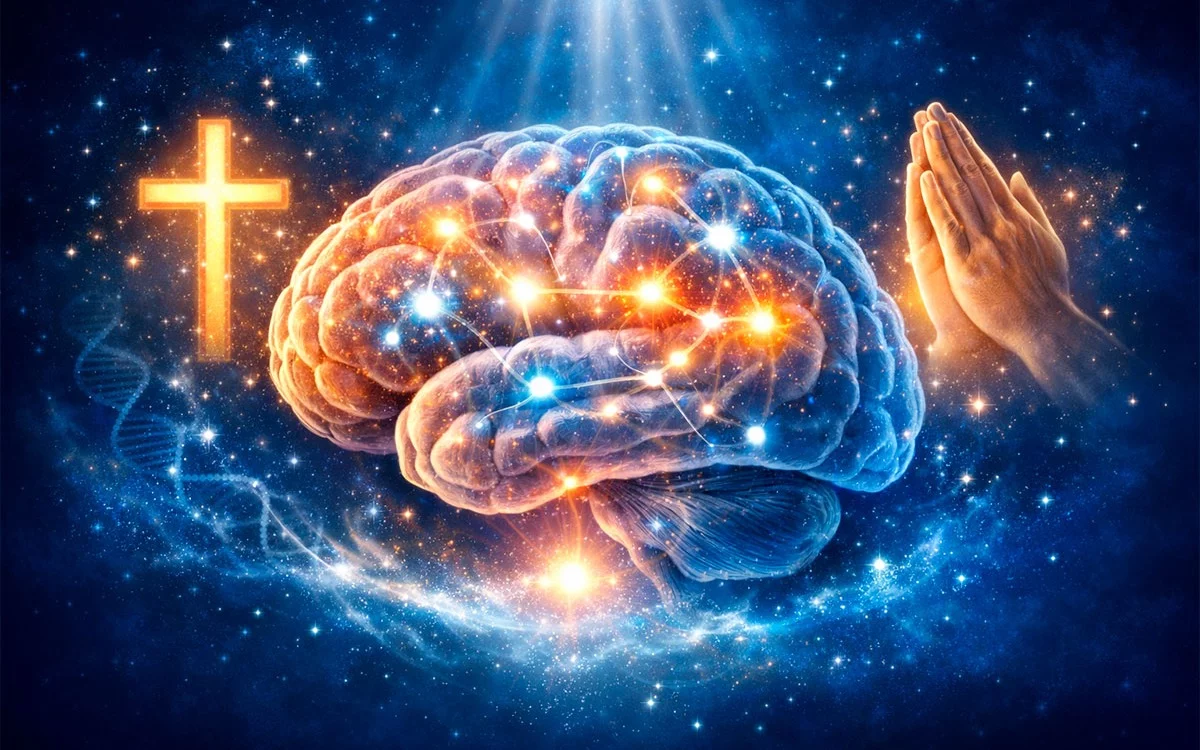
The brain was designed to meet God: the statement that unites science and faith
When the renowned psychiatrist and writer Augusto Cury stated that the brain was designed to meet God, it was not just a simple religious metaphor. His words opened an unexpected bridge between neuroscience and spirituality, two worlds that many consider opposites. However, decades of research on the functioning of the human brain have revealed that religious and spiritual practices not only influence the mind but profoundly transform it.
According to Cury, spirituality is not a social invention or an emotional response to fear, but a natural biological function of human beings. The human brain possesses specific capacities that are activated through prayer, worship, or thinking about God. It is not just a matter of faith: science already has concrete evidence.
The secret code: how the brain acts in the face of spirituality
During the conference titled “The secret code of God is in your brain”, Augusto Cury presented a revolutionary approach. He explained that various studies have demonstrated how certain spiritual stimuli generate positive and lasting neural patterns. The habitual practice of faith not only has symbolic or moral value but also measurable effects on the body and mind.
For example, praying or meditating on spiritual concepts activates brain regions associated with emotional well-being. It has been found that during these moments, cortisol levels, the stress hormone, decrease while areas of the brain linked to self-control, hope, and empathy are stimulated.
This phenomenon is directly related to neuroplasticity, the brain's ability to adapt and transform through repeated experiences. Neuroscience asserts that our neural networks can change over time, depending on the thoughts, habits, and emotions we cultivate. In this case, thoughts focused on God provoke a mental renewal that enhances both emotional and physical health.
Interestingly, this idea was already present in ancient texts. The Bible, in Romans 12:2, invites transformation “by the renewing of your mind,” a phrase that today takes on new meaning under the lens of science.
Spiritual practices that reconfigure the mind
The influence of spirituality on the brain goes beyond prayer. Augusto Cury also mentions fasting, gratitude, meditation, and community life as tools that have a real positive impact on the nervous system.
Various studies have shown that practicing believers have lower incidences of anxiety, better sleep quality, and greater longevity. Hope—one of the emotions most promoted in the religious context—acts as a shield against chronic stress and psychosomatic illnesses.
When a person elevates thoughts of faith or experiences gratitude and spiritual surrender, their body releases neurotransmitters like dopamine and serotonin, linked to pleasure, calmness, and well-being. This does not mean that faith is a magic formula for health, but rather a powerful resource that contributes to the integral harmony between body, mind, and spirit.
Moreover, the sense of belonging to a faith community is also associated with greater resilience in difficult situations. Social connection, emotional support, and a shared sense of purpose create a more stable and healthy mental environment.
Science and faith: different languages for the same truth?
Augusto Cury argues that science and faith should not be at odds, as both seek to understand reality from different perspectives. While science analyzes and measures, spirituality contemplates and experiences. And when they converge in the study of the brain, a fascinating coincidence occurs: human beings seem designed to connect with a transcendent dimension.
“God is not an invention of the brain; it is its greatest experience,” Cury asserts. In this sense, his message does not aim to impose beliefs but to show how science can validate aspects that previously seemed exclusively within the realm of faith. The longing for spiritual connection, the search for meaning, and the practice of transcendent values have biological foundations that cannot be ignored.
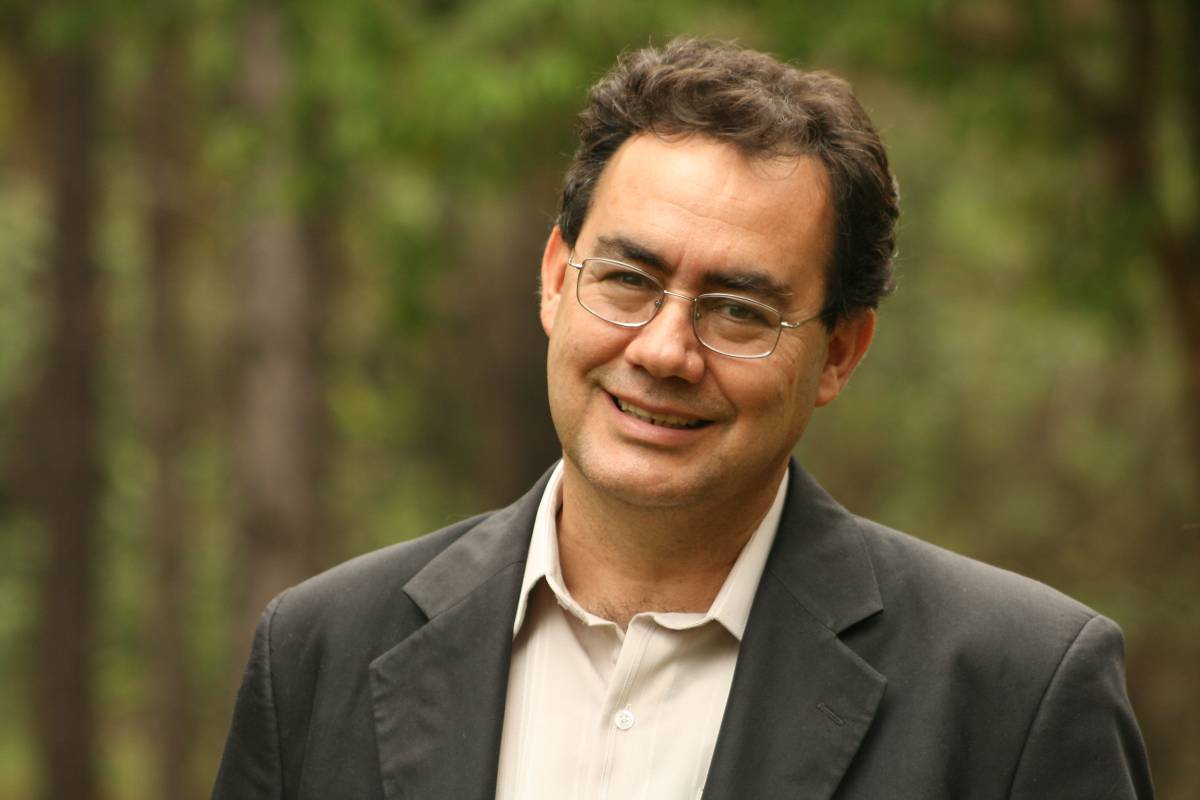
Even scientists did not expect it: Augusto Cury and his finding on spirituality
By observing the physical and emotional benefits of spirituality, it becomes clear that the brain is prepared to love, trust, give thanks, and hope. These functions not only improve quality of life but also reflect a mental structure oriented towards the divine.
Renewing the mind: a deep human need
Beyond individual beliefs, what Cury proposes is an invitation to rediscover the spiritual dimension as an essential part of human development. Just as we take care of the body with exercise and nutrition, we can also nurture the mind with spiritual practices that promote inner peace.
Now more than ever, in a world marked by anxiety, digital overload, and emotional isolation, the tools offered by spirituality gain new relevance. It is not just about attending a temple or repeating rituals, but about developing a conscious relationship with what gives life meaning.
Faith, understood as a living and everyday experience, has the power to transform the mind. And according to Cury, this is no coincidence: we were created to find God in the depths of our consciousness.
Although each person experiences it differently, the evidence is clear: spirituality activates our brain, improves our emotions, and strengthens our health. And perhaps, as science suggests, this search is not an evolutionary mistake or a psychological need, but a divine imprint in our mental design.