Neither the Border Collie nor the Labrador... the Belgian Malinois surprises the world for this unexpected reason.
The Belgian Malinois was recognized as the smartest dog in the world after surpassing the Border Collie in a scientific study.
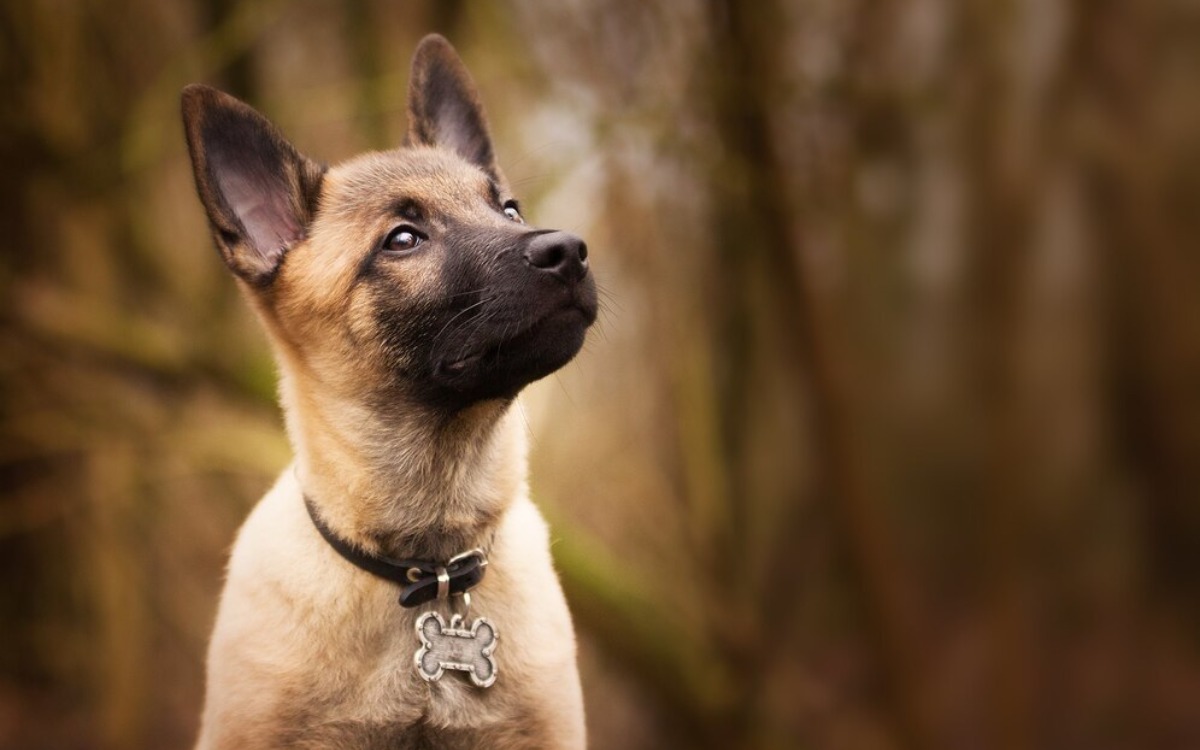
The unexpected rise of the Belgian Malinois: how it surpassed the Border Collie and was crowned the world's smartest dog
The Belgian Malinois has just broken decades of consensus within the canine world. A recent study published by the University of Helsinki in the journal Scientific Reports placed this breed above the traditionally revered Border Collie. The research analyzed over a thousand dogs of different breeds and concluded that the Malinois is currently the smartest dog in the world.
The study was based on tests called smartDOG, designed to evaluate various cognitive abilities. These included problem-solving, interpreting human gestures, associative memory, and adaptability to new situations. In total, 39 items were applied, of which the Belgian Malinois scored 35, far surpassing the Border Collie (26) and the Hovawart (25).

The lead researcher, Katriina Tiira, highlighted that the Malinois showed “outstanding performance in almost all evaluated aspects,” which explains why it is one of the most sought-after breeds for high-demand jobs such as security, rescue, civil protection, and assistance.
Intelligence applied to work: why the Belgian Malinois is so valued
It is not just a matter of mental agility. The Belgian Malinois demonstrates practical intelligence, which translates into quickness to learn commands, interpret contexts, and make decisions autonomously. While other breeds require multiple repetitions to incorporate a command, the Malinois can assimilate it in less than five attempts and execute it with a success rate of 95%.
Its ability to read human signals, anticipate behaviors, and maintain concentration under pressure makes it the ideal dog for critical tasks. These qualities explain why military forces, K9 units, rescue teams, and professional trainers choose it for complex and demanding missions.
Additionally, this breed has an exceptional associative memory. It can recognize faces, identify behavioral patterns, and act based on what it has learned. This ability makes it useful not only in work environments but also as a life companion in active and demanding households.
There is not just one Belgian Malinois: the four varieties of the same breed
The Belgian Malinois is just one of the four recognized varieties within the Belgian Shepherd breed, all originating from different regions of Belgium. Although they share a genetic root and similar temperament, each presents physical and functional differences:
- Belgian Malinois: It is the most well-known variety and used for security tasks. Its coat is short and reddish-brown, with a distinctive black mask. Its athletic and mental capabilities have made it one of the most valued working dogs in the world.
- Belgian Groenendael: Characterized by its long black coat. It is chosen for surveillance and protection work but is also appreciated as a companion dog for its elegance and nobility.
- Belgian Tervuren: It has a structure similar to the Groenendael, although with brown-toned fur and a black mask. It is commonly seen in obedience and agility competitions, thanks to its balance between beauty and skill.
- Belgian Laekenois: Less known, it stands out for its rough coat and fawn color. Historically, it was used to guard flocks and rural properties.
Despite their external differences, all varieties of the Belgian Shepherd share overflowing energy, unconditional loyalty, and an innate ease for learning.
Health, longevity, and needs of the Belgian Malinois
The Belgian Malinois is a robust dog, with an average lifespan of between 12 and 14 years. With proper care, some individuals can exceed this range. Its overall good health does not exempt the breed from certain risks common in medium and large dogs, such as hip dysplasia.
To ensure a healthy life, the Malinois requires:
- Balanced and controlled diet
- Intense daily physical exercise
- Constant mental challenges
Given its level of intelligence and energy, it is not a breed recommended for people with a sedentary lifestyle or without previous experience in dog training. If not adequately stimulated, it can develop destructive behaviors, anxiety, or stress.
Therefore, experts insist that the Malinois needs varied routines, scent games, advanced obedience tasks, and environments that stimulate its mind.
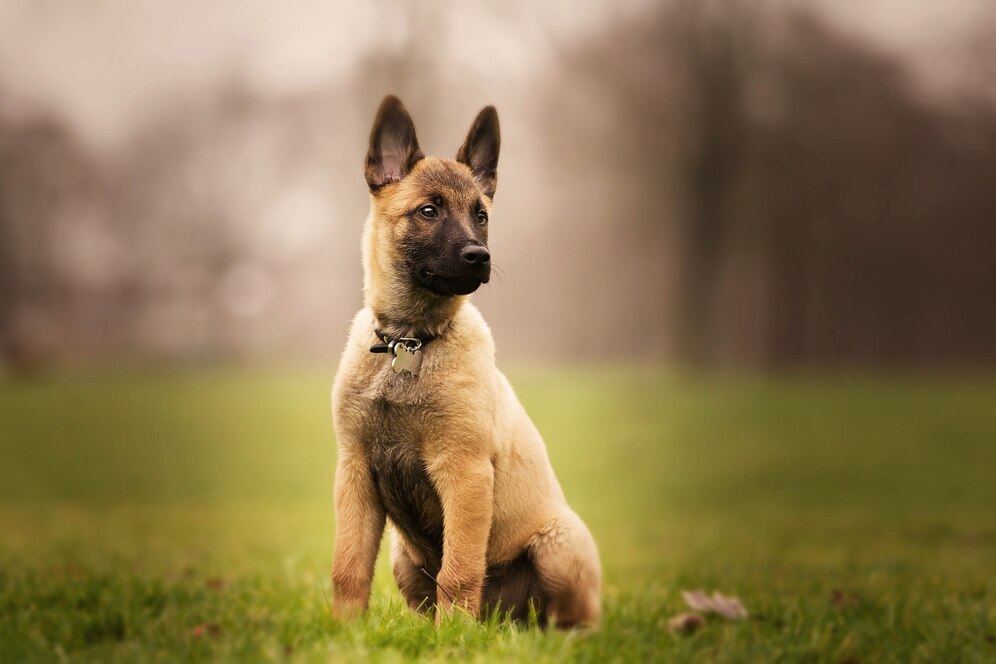
Security, rescue, and companionship: why it is the ideal working dog
More than obedient: a dog that makes decisions
What truly distinguishes the Belgian Malinois from other intelligent breeds is its ability for autonomous decision-making in high-demand situations. It not only responds to commands but also evaluates contexts, prioritizes actions, and acts without explicit instructions when the situation demands it.
This characteristic makes it stand out in jobs where response time is vital. For example, in rescue operations or explosive detection, its intuition and speed can make the difference between success or failure of a mission.
Moreover, its bond with the trainer is deep. The Malinois not only learns commands: it builds a trust relationship that enhances its performance. This emotional connection allows it to anticipate human intentions, something that few breeds achieve with the same precision.
The smartest dog... and also the most versatile
The combination of intelligence, discipline, energy, and adaptability has made the Belgian Malinois the most versatile dog in today's world. From airport security to emotional assistance tasks, through civil protection, its ability to perform in different roles makes it almost unique.
Even in a family environment, when provided with appropriate mental and physical challenges, it can be a loyal, protective, and affectionate companion.
That it has surpassed the Border Collie in scientific rankings not only reflects its performance in cognitive tests but also confirms an evolution in the understanding of canine intelligence: it is no longer enough to learn quickly; now it is also valued how a dog responds to the unexpected.