How to care for your pet during fireworks and loud noises during the Christmas and New Year celebrations
How to prevent stress in your pet: practical guide to protect pets from noise during the Holidays.
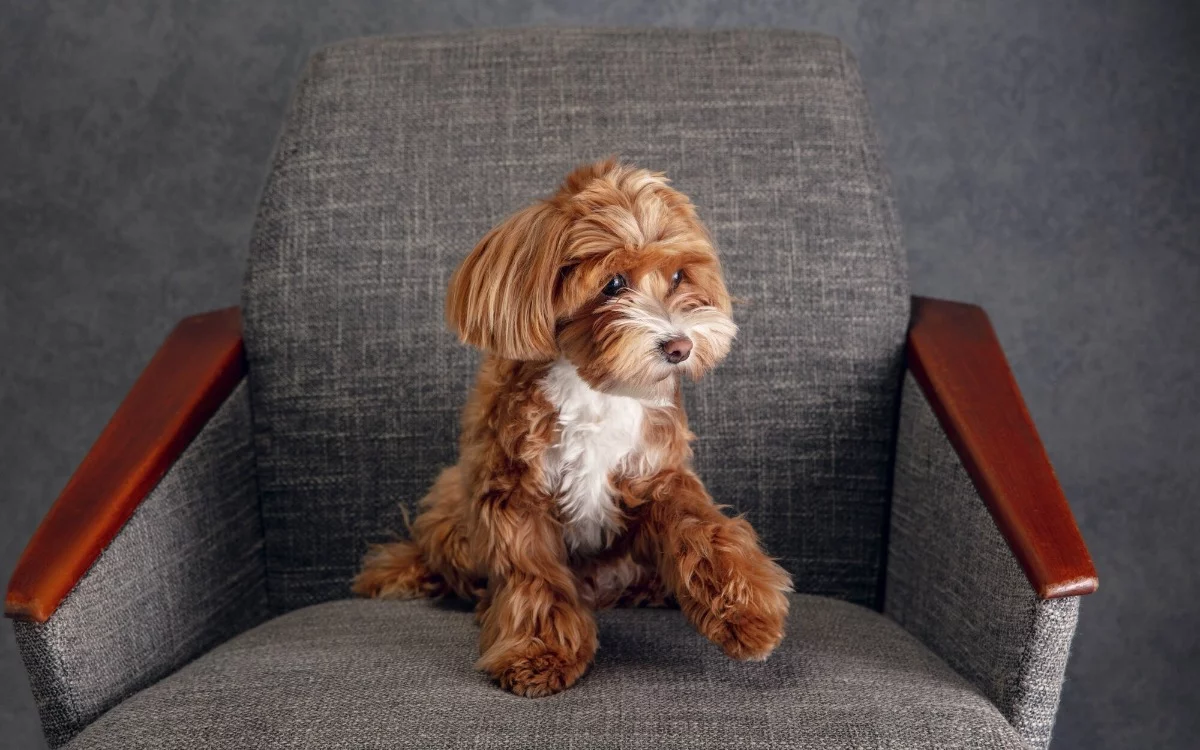
“How to protect my pet from fireworks” is one of the main concerns for many animal owners during the Christmas and New Year celebrations. Although fireworks are prohibited in several regions of Argentina, such as Mendoza, their use remains frequent. This has a negative impact not only on the environment and sensitive people but also on pets, who may suffer episodes of fear, stress, and even accidents. Therefore, it is crucial to know effective strategies to care for our pets and minimize the effects of this phenomenon.
Fireworks, so common during these dates, especially affect animals due to their hypersensitive hearing, which is much more developed than that of humans. The combination of explosions and flashes causes fear, confusion, tachycardia, and, in some cases, dangerous behaviors such as self-harm or attempting to escape in dogs and cats. In the face of this, we cannot control the actions of others, but we can implement measures to protect our pets and help them cope better during these festive nights.
Next, we share four essential keys to care for your pet during the Holidays, according to recommendations from veterinarians and specialists.
Keep your pet active during the day
One of the most effective methods to reduce nighttime stress is to ensure that your pet arrives tired at the time of the celebrations. Physical exercise and mental activity are essential during the afternoon of December 24 and 31. Allow your dog to run, play, and burn energy more intensely than usual. This will not only help reduce their anxiety level but will also make it more likely that they will seek to rest during the night.
If you have a cat, you can stimulate them with interactive toys that allow them to release accumulated energy. The key is for the animal to feel physically exhausted before midnight, which will help them stay calmer even if they hear loud noises.
Create a safe haven at home
Make sure to prepare a comfortable and safe space where your pet can feel protected. It can be a quiet room or a corner away from outside noise. It is essential to ensure proper ventilation and enough space for them to move freely. Never tie them up or confine them to a small space, as this could increase their stress.
You can use blankets, cushions, or even their favorite bed to make the place cozier. Additionally, it’s a good idea to anticipate the animal's reaction: if they tend to hide in a closet or under a bed when scared, allow them access to that place during critical hours. Respecting their instinct to seek refuge is a way to reduce their distress.
Relaxing music for pets
The use of pleasant sounds can be an excellent resource to mitigate the auditory impact of fireworks. On platforms like YouTube or Spotify, you will find dozens of options under the search “relaxing music for pets.” Channels like NatGeo also offer programs specially designed to calm animals during the Holidays.
Relaxing music or white noise helps mask the sounds of firecrackers and fireworks, creating a more serene environment at home. Place the speakers in the room where your pet is and keep the volume moderate so they do not feel overwhelmed by another sound stimulus.
Water and basic care during the night
The fear and anxiety caused by fireworks can lead to excessive panting in dogs and cats, increasing the risk of dehydration. Therefore, make sure they have constant access to fresh water. Do not force them to eat if they do not want to; appetite may decrease when they are stressed, and it is normal for them to prefer to wait until they feel calmer to eat.
Additionally, if your pet tends to escape when scared, put a collar on them with a tag that includes their name, address, and phone number. This detail can be crucial in case they manage to get out of the house, as it will facilitate quick contact with whoever finds them.
Consult a veterinarian about medication
If you believe your pet may need medication to cope better during these dates, it is essential to consult a veterinarian beforehand. The use of sedatives or anxiolytics must be evaluated by a professional, as the dosage and type of medication depend on the weight, age, and health status of the animal.
Never medicate your pet on your own, as this could jeopardize their well-being. If your veterinarian recommends it, schedule a prior visit to obtain clear instructions and ensure that the treatment will be safe and effective.
Other useful tips to protect your pet
In addition to the points mentioned, there are other care measures that can make a difference during these nights of celebration:
- Close windows and curtains to reduce the impact of flashes and dampen external noises.
- Maintain a routine before the holidays, as animals value stability. Try to keep everything as “normal” as possible before the noise begins.
- Use synthetic pheromones in the form of diffusers or sprays, available at veterinary clinics, to create a more relaxed environment.
- Control your attitude: animals perceive our emotions. If you remain calm, it is more likely that they will too.