Cabalas, the reasons and the origin of superstition
As popular as they are respected by millions of people, superstitions have ancient origins and are used in the face of a strong desire, when we are in danger, or to ensure that luck is on our side.
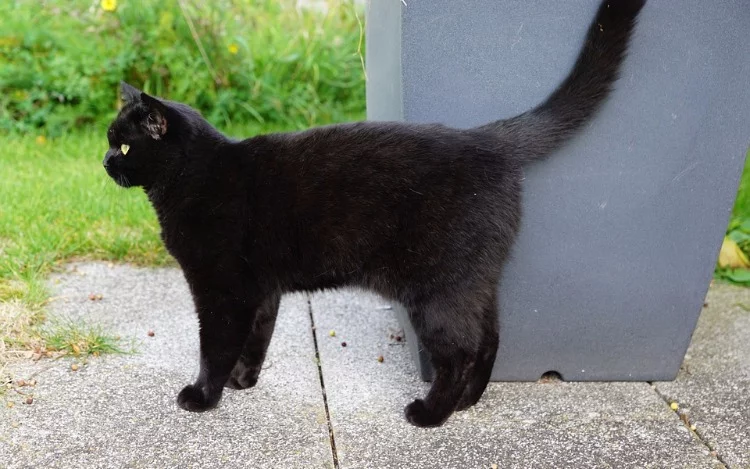
“Cross your fingers, knock on wood, don’t walk under the ladder, avoid the number 13 and the black cat,” sang Joan Manuel Serrat. And many believe that superstitions are certainty.
As popular as they are respected by millions of people, superstitions have ancient origins and are used in the face of a strong desire, when we are in danger, or to ensure that luck is on our side in a situation where we need an immediate positive outcome. Why has humanity throughout the ages needed or believed in amulets? The psycho-social reasons for a custom that transcends centuries, borders, and nationalities.
To understand superstitions, there is nothing better than going to the sources. According to the Royal Spanish Academy, “it is a deviation from religious sentiment that makes one believe in objects strange to faith and contrary to reason.” Without scientific support or endorsement from traditional religions, superstition commands respect and sometimes even fear of the unknown or mysterious. Controlling destiny is the issue.
Lic. Eva Lázaro Ortega, author of “Superstitious Behavior,” explains that for psychology, superstitions “consist of the fact of associating certain events or objects with the security or certainty that if we trust in them, good fortune will be on our side.” In this context, those who profess superstition tell themselves, “if I don’t carry this object or perform this act, things will go very badly for me,” or they may carry some amulets that will give them the confidence to ensure that chance is secured in the face of uncertainty. There are as many superstitious customs as there are people who carry them out.
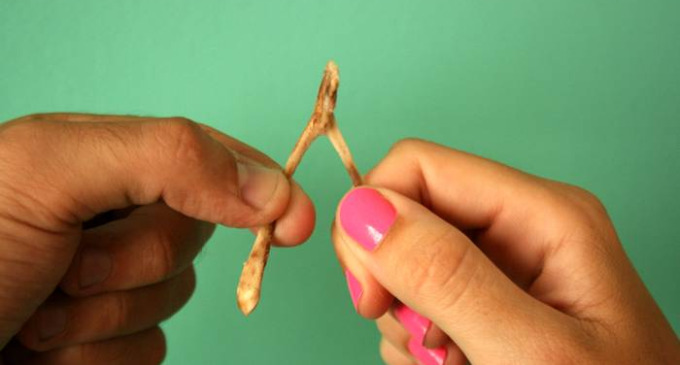
Carrying objects or wearing certain garments, mentally repeating a phrase or idea, performing acts in a specific order, avoiding certain words or executing some actions are some of the behaviors that would guarantee good luck. But why do the years pass and superstitions remain? “Superstitions - explains Lic. Lázaro - create an illusion of control, created by individuals in order to believe and want to have control over a specific event.” In almost all situations of their existence, humans must deal with two types of ideas: rational and irrational.
This is a conflict that arises from the moment an individual is born, and it is only resolved by choosing or opting for one of the two beliefs. Superstitions can be anecdotal, but what is the line between a healthy belief in chance and an obsession? In this sense, Lic. Lázaro clarifies that this behavior becomes pathological when “it conditions, limits, or negatively influences our daily life.”
That is to say, if a person stops performing their activities, or does them differently out of fear of the consequences of fate, we are faced with someone who governs their life around magical ideas and is losing touch with reality. “In these cases, we are confronted with an obsessive problem that could generate unpleasant emotions such as anxiety or excessive worry. For example, the individual must face an important meeting, and upon realizing they have forgotten their lucky amulet, they decide to withdraw or cannot face their daily life normally,” explains the specialist.
The ambition to control destiny is something that humanity has never stopped aspiring to. Although sacrifice and effort are always the best guarantees for the consequences of our actions to be successful, there are circumstances that are beyond our control. Doubt and uncertainty are shouldered with amulets, superstitions, and rituals. If the question is whether to believe or not to believe, just like in ancient times, we trust that luck will be on our side, and even those who do not believe avoid walking under the ladder.