Biological resilience: why is it harder to recover from a bad night's sleep after 40?
Starting at age 40, many people notice that recovering from a bad night's sleep or an injury seems more complicated. What could previously be resolved with a little rest now requires more time and patience.
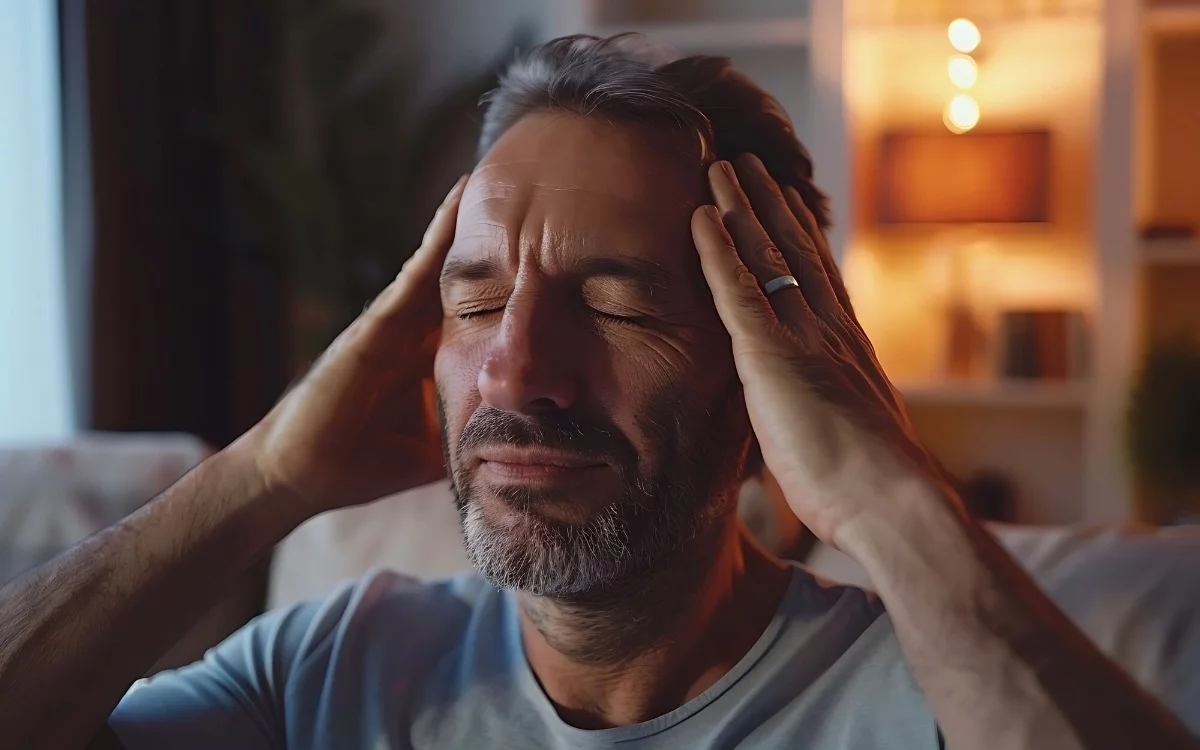
This change has a scientific explanation: from that age, the body undergoes a series of biological transformations that affect its resilience, that is, its ability to quickly recover from health-stressing events.
According to various studies, aging is not a uniform and linear process, but is marked by moments of acceleration and decline in different areas of the body. Between the ages of 40 and 60, this process becomes more evident, affecting everything from metabolism to the muscles' ability to recover. These changes are not only biological but are also influenced by lifestyle, stress, and habits acquired over the years.
The science behind biological resilience
Biological resilience is a concept that refers to the body's ability to recover after a health stress, whether it be an illness, an injury, or a bad night’s sleep. However, as the years go by, this capacity decreases due to factors such as natural aging, changes in lifestyle, work or personal stress, and decreased physical activity.

Various studies have indicated that resilience begins to decline between the ages of 30 and 40, coinciding with a turning point in biological aging. A study from Stanford University, for example, suggests that aging accelerates at two key moments: around 44 and 60 years old. Researchers analyzed thousands of molecules and microbiomes from people aged 25 to 75 and found that many of these molecules do not change gradually but experience sharp modifications at those two stages.
Metabolic changes that affect recovery
One of the major challenges after the age of 40 is that metabolism begins to transform. According to Dr. Michael Snyder, a genetics professor at Stanford and one of the authors of the study on aging milestones, these changes are not gradual but occur abruptly. Between the ages of 40 and 60, significant alterations occur in the molecules related to the metabolism of alcohol, caffeine, and carbohydrates, affecting how the body processes these elements and complicating recovery after their consumption or mishandling.
From the age of 40, people notice that a glass of wine or a night of insomnia affects them more than it used to. This may be due to changes in the metabolism of enzymes that break down alcohol and other substances. Additionally, the decrease in muscle mass and the increase in fat mass also play a crucial role in recovery, as muscle tissue is key for storing water and facilitating the body's hydration. This imbalance between muscle and fat, along with the decline of metabolic enzymes, explains why it is more difficult for the body to recover after a night of alcohol or poor nutrition.
The impact of lifestyle and stress
Lifestyle often contributes to making these biological changes even more noticeable. At 40, many people face more work-related, financial, or family stress, which can intensify the negative effects of aging. Dr. Benjamin Missick, a family physician in North Carolina, explains that during this stage, it is common for patients to wonder why their cholesterol suddenly increases or why they gain weight despite maintaining a balanced diet. This decline, he notes, is not constant but occurs at specific moments in life.
The menopause, in the case of women, also has a significant impact on the body's resilience. The hormonal changes associated with this stage can affect how the body manages stress, sleep, and metabolism, often leading to slower recovery from illnesses or injuries.
Stress is also a key factor in the decrease of biological resilience. Specialists explain that the increase in work and family responsibilities at this stage of life often leads to increased alcohol consumption, lack of sleep, and less exercise, which accelerates the effects of aging.
How to counteract the effects of aging
Despite the challenges that come with the passage of time, there are ways to improve biological resilience and counteract the effects of aging. Experts agree that maintaining an active and healthy lifestyle is key. Some of the most recommended habits include:
-
Prioritize sleep: Getting enough sleep is essential to allow the body to recover from daily activities and stress. Sleep hygiene is crucial from the age of 40 to mitigate the effects of sleepless nights or interrupted rest.
-
Exercise regularly: Strength training is particularly important to prevent the loss of muscle mass, which begins to be significant from the age of 40. Studies indicate that between 3% and 8% of muscle mass is lost per decade after 30, and this loss accelerates over time.
-
Reduce alcohol consumption: Since the metabolism of alcohol becomes less efficient with age, it is advisable to decrease its consumption to avoid having the body deal with an additional burden.
-
Maintain a balanced diet: From the age of 40, it is essential to adopt a diet rich in antioxidants and essential nutrients, as this can protect cells from oxidative damage and improve mitochondrial function, which is key for aging prevention.
Dr. Gabriel Ércoli, a geneticist, also emphasizes the importance of preventive medicine starting at 40. Regular medical check-ups can help detect metabolic problems before they become chronic conditions. Additionally, personalized medical interventions based on biomarkers can offer specific solutions to prolong health during aging.
Strategies to cope with stress
Another crucial aspect of improving the body's resilience is stress management. Recent studies suggest that the body adapts better to stressful situations if it is regularly exposed to small levels of physical stress, such as exercise. This phenomenon, known as hormesis, can prepare the body to recover better from situations of greater emotional or physical stress.
Dr. Elissa Epel, a psychiatry professor at the University of California, explains that low-intensity stressors, such as regular physical activity, generate peaks of biological stress followed by periods of deep recovery. This not only improves physical recovery capacity but also emotional recovery.
Dr. Heather Whitson, a geriatrician and director of the Aging Center at Duke University, concludes that the healthier a person is before facing a stressful event, the greater their chances of recovering effectively.