When is the best time to uncork a bottle of wine and enjoy it to the fullest?
Knowing when to uncork a bottle of wine is key: the aging, the harvest, and the balance determine its best moment.
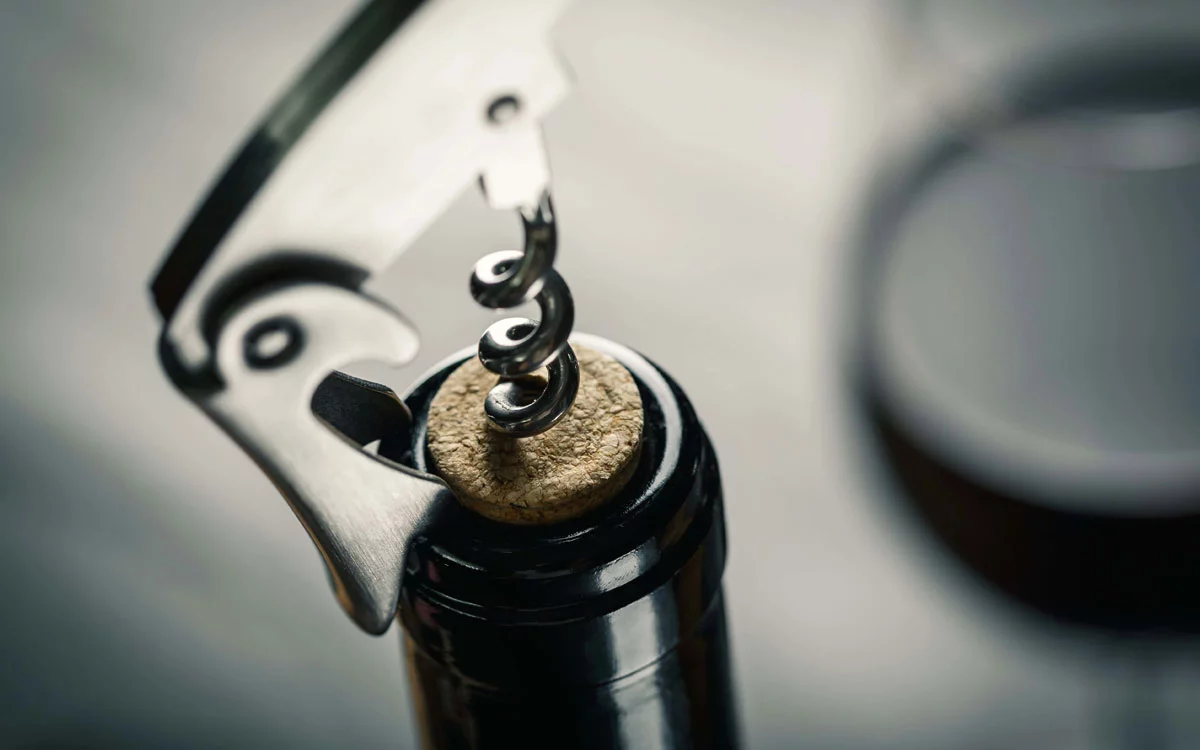
When is it advisable to uncork a bottle of wine? The answer is not found in an exact date or a universal rule. It depends on its structure, its evolution in the bottle, the vintage, and the storage conditions. Wine is not a static product: it changes, settles, reaches a plateau, and then begins to decline. Understanding that process is the difference between drinking it at its peak or opening it too early—or too late.
For years, the economic context forced many wineries to release their labels before their optimal point. In practice, this meant that the "aging" was ultimately paid for by the consumer. However, that trend has begun to change. More and more producers prefer to age their wines for years before releasing them to the market, even if that means immobilizing capital.
Because without a sustainable business, there is no wine that transcends. But without balance in the bottle, there is also no memorable experience.
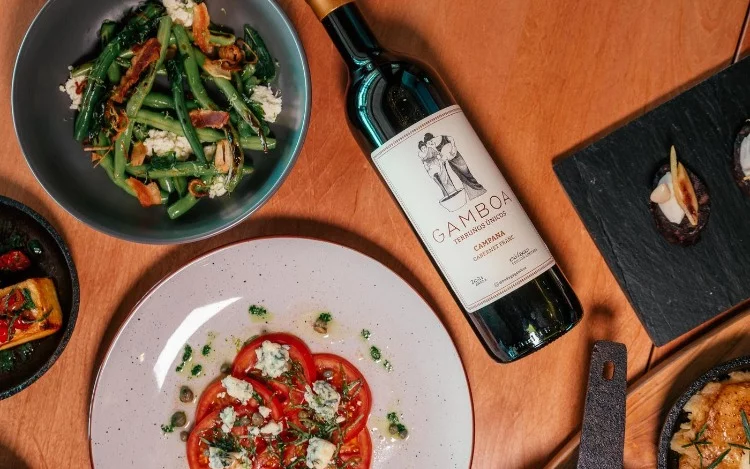
The wine is still alive in the bottle
Unlike other beverages, wine evolves once bottled. This transformation occurs thanks to the balance between its structural components:
- Acidity
- Alcohol
- Tannins (in reds)
These elements determine its aging potential. When they are well integrated, the wine can go through different stages until it reaches an optimal consumption plateau.
In its youth, a wine tends to show itself as powerful, vibrant, and expressive. However, it is still not balanced. Its tannins may feel firm, the acidity pronounced, and the alcohol somewhat dominant. In that phase, its components are "settling down."
Over time—if conditions are right—those elements integrate. Freshness harmonizes with structure. Aromas and flavors intertwine and gain complexity.
That is the ideal moment.
Not all wines are made to wait
It is important to clarify: most wines were not conceived for prolonged aging. Many are designed for immediate consumption. They are fresh, fruity, and accessible.
However, higher-priced wines with qualitative ambition often have aging potential. To achieve this, the work begins in the vineyard. The quality of the grape is decisive.
It is not about whether a wine is concentrated or light. It is about having enough structure to withstand the passage of time.
In general, reds tend to be longer-lived than whites, although there are exceptions. Varieties like Cabernet Sauvignon or Malbec, due to their tannic profile and structure, can evolve for more years.
The aging conditions: the silent factor
A great wine is of no use if stored poorly. Wine hates sudden temperature changes and constant movement. Intense light and noise also affect it.
The ideal aging conditions include:
- Stable temperature, around 18 to 20 °C (without exceeding that range).
- Darkness or low light exposure.
- Quiet environment, without vibrations.
- Bottles lying down, to prevent the cork from drying out.
Additionally, it is advisable to remove the capsule to monitor the condition of the cork. If the wine is advancing towards the outer surface, there may be oxidation.
Many enthusiasts organize small home cellars. They store several bottles of the same label and progressively uncork them to follow their evolution.
If the first one feels young and vigorous, the others will have to wait.
How to know if it is at its best moment
There is no infallible formula. The truth lies on the palate.
When tasting a wine, it is advisable to pay attention to its texture in the mouth. If the tannins are firm and dominant, it probably needs more time. If the expression is vibrant but somewhat unbalanced, it is still in the integration phase.
On the other hand, if the freshness is integrated, the tannins are fine, and the whole is perceived as harmonious, the wine may be going through its optimal plateau.
In great wines, that best moment does not last just one day. It can extend for months or even years.
Wine behaves like a human being: it is born with energy, matures in balance, and then declines slowly. It does not rot. It evolves. But it can be too late if one waits excessively.
Price, label, and expectations
The level of the label and its price offer clues, although not guarantees. A high-end wine usually has greater aging potential, but it always depends on its conception and structure.
The style sought by the winemaker also influences. Some prioritize early impact. Others design wines to evolve slowly.
Drinking it at the right moment enhances the experience. The balance enhances pairings and amplifies aromatic complexity.
The vintage: the number that changes everything
In the world of wine, numbers matter. And the most relevant is the vintage.
Today, more than ever, the climate is felt in the glass. When a wine has already found its place and identity, the differences between vintages are usually due almost exclusively to climatic conditions.
- In a cold year, the wine will be more tense and less expressive at first, but more long-lived.
- In a warm harvest, it will have more impact when young, although it may evolve less over time.
- In a rainy harvest, it may show itself as weaker.
That is why the vintage is a key reference before buying or deciding to store a bottle.
If one follows a label over several vintages, the comparison allows understanding its behavior and anticipating its evolution.
To age or not to age?
The answer is not absolute. Many current Argentine wines can be enjoyed as soon as they hit the market. They do not need years of waiting.
But others gain complexity over time.
For those who love wine, storing some favorite bottles is part of the ritual. Uncorking them on a special occasion, surprising a guest, or simply experiencing the evolution is part of the learning process.
Because ultimately, knowing when to uncork a bottle is not just a technical matter. It is a combination of information, intuition, and experience.
And like almost everything, practice makes perfect.