What you should never do when cleaning your dog's bed
Cleaning the dog's bed is key to preventing infections and maintaining a healthy environment at home. Follow these tips to reduce the risk of diseases.
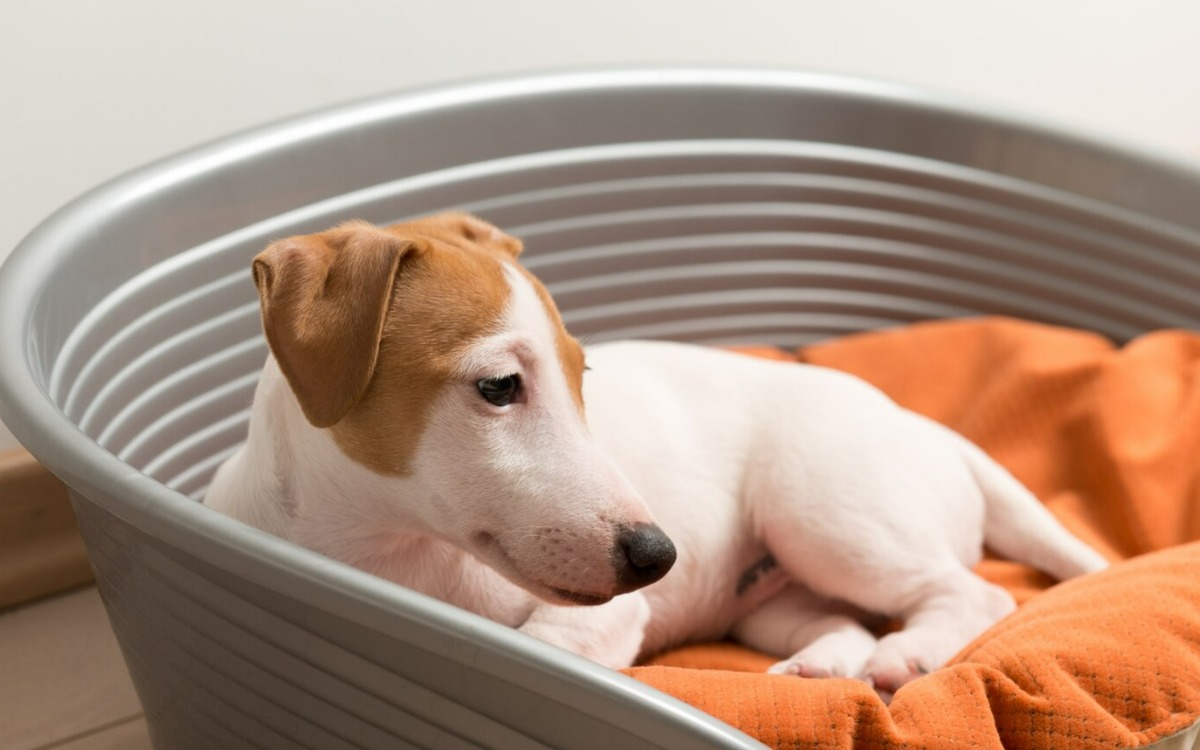
Keeping your dog's bed clean not only improves their comfort but also prevents the buildup of bacteria, parasites, and allergens that can affect both pets and humans. According to the American Kennel Club, dogs' resting areas can become hotspots for pathogens if not properly sanitized.
That's why it's essential to follow a cleaning routine that removes dirt without compromising your pet's safety. Below, we explain how to do it effectively.
The first step: remove hair and surface dirt
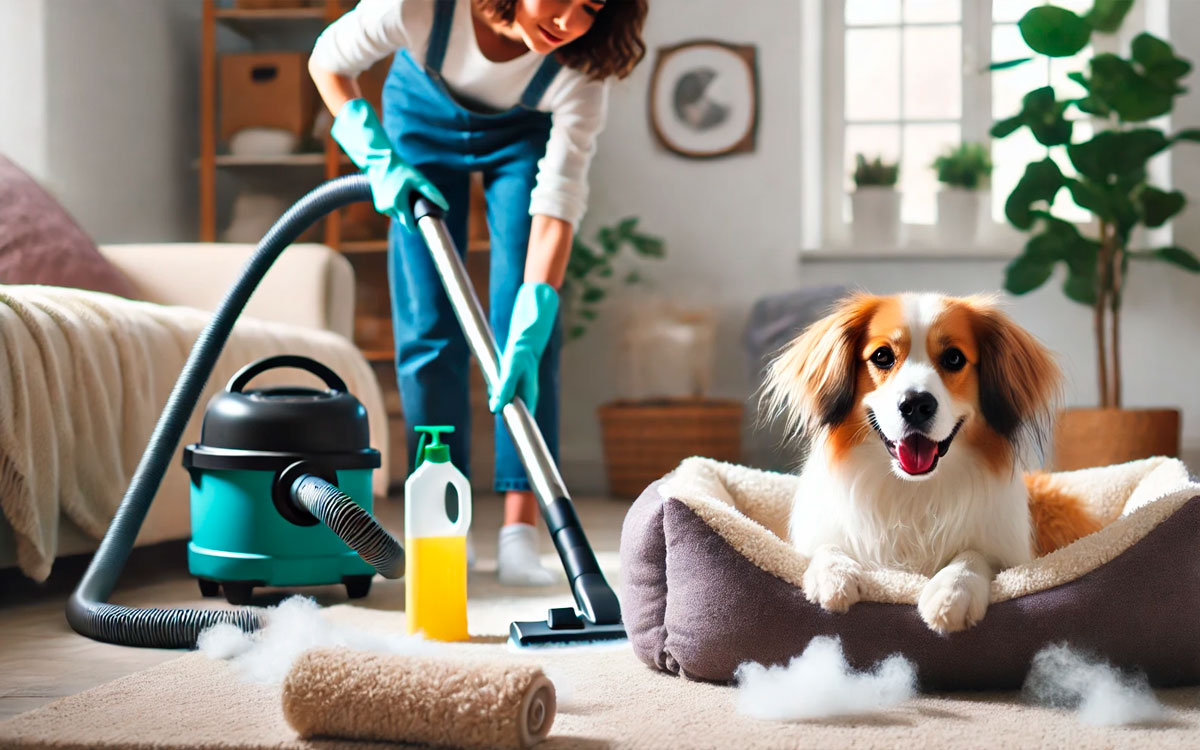
Before washing the bed, it's important to remove accumulated dirt. Vacuuming is one of the most effective ways to eliminate hair and dirt debris, according to the New York Times.
If you don't have a vacuum cleaner, you can opt for:
- Lint rollers.
- Specialized rubber brushes for pet hair.
- Shaking the bed outdoors to dislodge dust particles.
Handheld vacuums designed for pets can be a great investment, as they include special brushes that make hair removal easier.
How to treat tough stains
If the bed has visible stains, it's advisable to treat them before the general wash. Depending on the type of stain, different homemade solutions can be applied:
- Urine stains: mix baking soda, vinegar, and water. Apply to the stain and let it sit for 10 minutes before drying with a clean cloth.
- Soil stains: scrub with a pet-safe detergent and a damp cloth.
- Feces stains: use cold water with distilled white vinegar and a brush specifically for this purpose. Then, sprinkle baking soda and vacuum when dry.
- Blood stains: apply a mixture of baking soda, vinegar, and cold water. Let it sit for 30 minutes before cleaning with a cloth.
How to wash your dog's bed correctly
Once the stains are treated, it's time for a deep clean. If the bed has a removable cover, the process is easier, as it can be washed in the machine. However, it's important to check the manufacturer's instructions to ensure the material is suitable.
If the cover or the bed cannot be machine washed, you can opt for a hand wash by following these steps:
- Fill a container with warm water and pet-safe detergent.
- Soak the bed for 10-15 minutes.
- Scrub with a brush to remove embedded dirt.
- Rinse thoroughly with water until the soap is gone.
Experts recommend using detergents designed for pets, as conventional products may contain harmful chemicals for animals. Additionally, after washing pet items in the washing machine, it's suggested to clean the machine to avoid transferring residues to other garments.
Drying: a key step to avoid odors and mold
Proper drying is crucial to prevent your dog's bed from accumulating moisture and bad odors. If the cover is dryer-safe, it should be used on a low temperature to avoid deformation.
If opting for air drying, the ideal is to:
- Place the bed in sunlight to naturally eliminate bacteria.
- Ensure it is completely dry before your dog uses it again.
Avoid using dryer sheets, as they contain chemicals that can be toxic to dogs.
How to keep the bed clean for longer
To reduce the frequency of deep washes and keep your dog's bed in good condition, follow these tips:
✔ Vacuum regularly or use a lint roller to prevent hair buildup.
✔ Wash your dog's paws when returning from outside, preventing them from dirtying their bed.
✔ Opt for waterproof beds, which are easier to clean and repel moisture.
✔ Expose the bed to sunlight periodically to eliminate odors and bacteria.
✔ Clean stains as soon as they appear to prevent them from embedding in the fabric.
By following these steps, you will not only improve the hygiene of your pet's space but also reduce the risk of diseases in your home.