What does it mean to put vinegar and eggplants in a pot?
When we need to perform some homemade cleaning trick or want to season a salad, we always think of vinegar.

Putting vinegar and eggplants in a pot, or more specifically soaking the eggplants in water with vinegar, is a culinary technique primarily used to eliminate the characteristic bitter taste of this vegetable and improve its texture.
Here we summarize why and what this technique means:
- Eliminate bitterness: Eggplant, by nature, has a bitter taste that can be unpleasant for many people. Soaking it in cold water with vinegar (apple or white) for about 15 minutes helps reduce that bitter flavor, making the eggplant more palatable.
- Improve texture: Vinegar also acts on the texture of the eggplant, preventing that elasticity or rubbery texture that can sometimes be bothersome. Thanks to this, the eggplant becomes more tender and soft for cooking.
- Enhance overall quality: In addition to removing bitterness, vinegar helps enhance the final flavor of the dish and contributes to better cooking.
- Complementary alternatives: A combination of salt and vinegar can also be made to enhance the effect, as salt helps extract excess water and bitterness.
How it improves texture with this trick
One of the most common problems when cooking eggplants is encountering a rubbery consistency. This happens because the pulp has a spongy structure that easily absorbs liquids and fats, which can affect the final result.
Vinegar intervenes in two ways:
- Softens the fibers: it ensures that, when cooked, the eggplant becomes more tender.
- Controls oil absorption: by slightly modifying the surface of the pulp, it absorbs less fat during frying or sautéing.
This effect is noticeable not only in fried dishes but also in oven-baked or grilled preparations.
The combination with salt: double action against bitterness
While vinegar alone is effective, many cooks choose to add salt to the process. Salt enhances the extraction of internal liquids and helps expel excess bitter compounds.
The combined method consists of sprinkling salt over the eggplant slices and letting them rest for a few minutes before submerging them in the vinegar water. This creates a double action:
- Salt extracts water and bitterness.
- Vinegar softens the texture and enhances flavor.
With this trick, the eggplant is ready for any cooking technique, from gratin to stew.
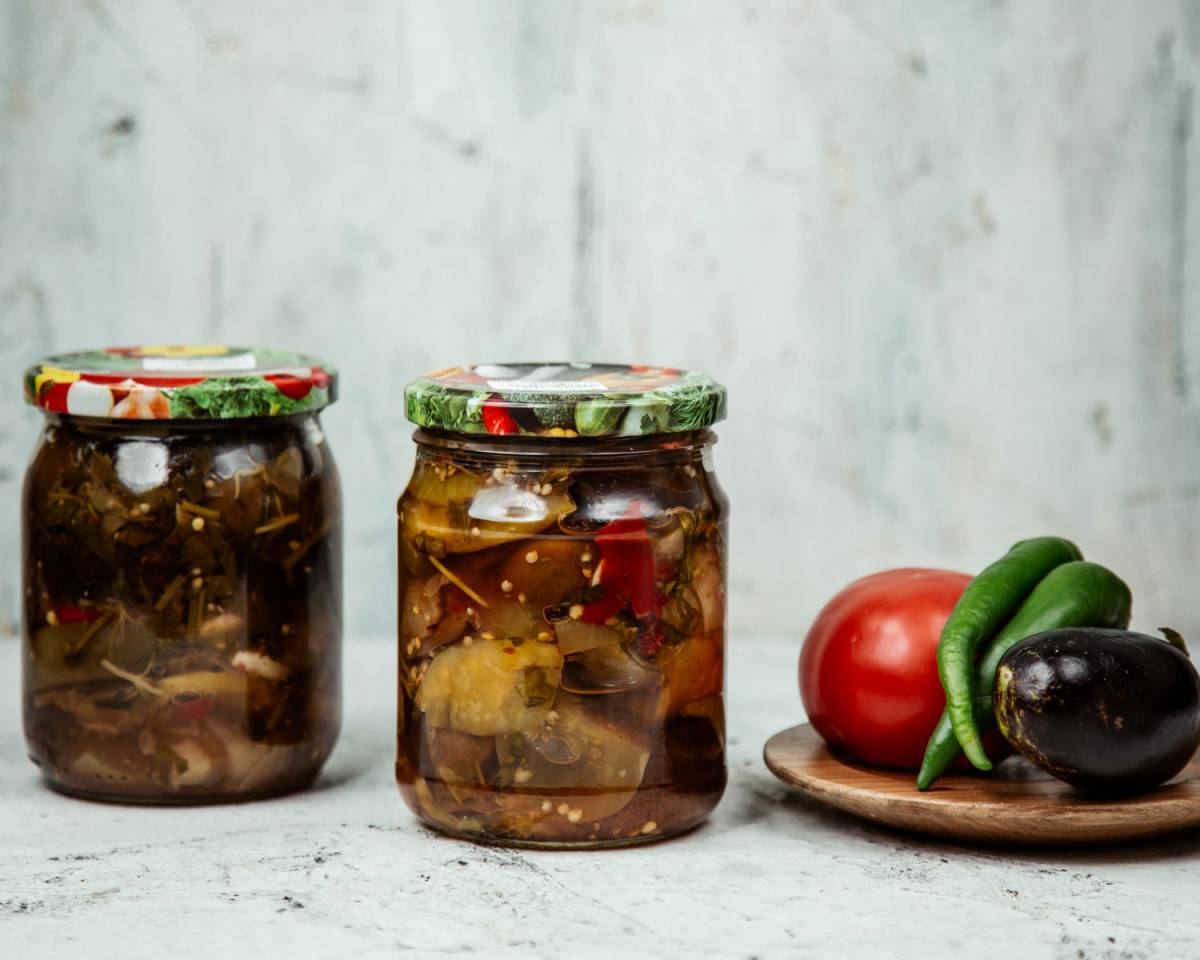
Soaking eggplants in water with vinegar: the homemade trick that few use and changes everything
Additional health benefits
Beyond improving flavor, preparing eggplant this way preserves its nutritional properties. This vegetable is rich in vitamins, minerals, fiber, and antioxidants. Regular consumption provides benefits such as:
- Promoting cardiovascular health due to its low fat content and antioxidant contribution.
- Improving digestion thanks to its soluble and insoluble fiber.
- Protecting the skin and combating cellular aging due to its content of phenolic compounds.
Some studies have even highlighted its potential to help regulate blood sugar levels, making it an interesting food for people with insulin resistance.
Recipes where this trick makes a difference
Applying the prior soaking of eggplant in water with vinegar can make a significant difference in recipes such as:
- Eggplant milanesa: they become softer and absorb less oil.
- Pickled eggplants: the vinegar from the soaking harmonizes with that of the final marinade.
- Pisto or ratatouille: enhances flavor and prevents the eggplant from dominating with its bitterness.
- Eggplant lasagna: the texture is more tender and uniform.
Even in raw preparations, such as salads or carpaccios, this prior step can soften the flavor and make the experience more enjoyable.
The technique of soaking eggplants in water with vinegar is a traditional culinary trick to improve flavor (eliminating bitterness) and texture of this vegetable before cooking, thus facilitating its use in different recipes.
In addition to this technique, eggplant offers many nutritional benefits, such as vitamins, fiber, minerals, and antioxidants that promote cardiovascular, digestive health, and skin health, among others. That is why it is a highly valued ingredient in cooking.