What do the colors of dog collars mean in CDMX? The key to responsible coexistence
The color code on dog collars in CDMX aims to prevent incidents and improve coexistence between pets and people.

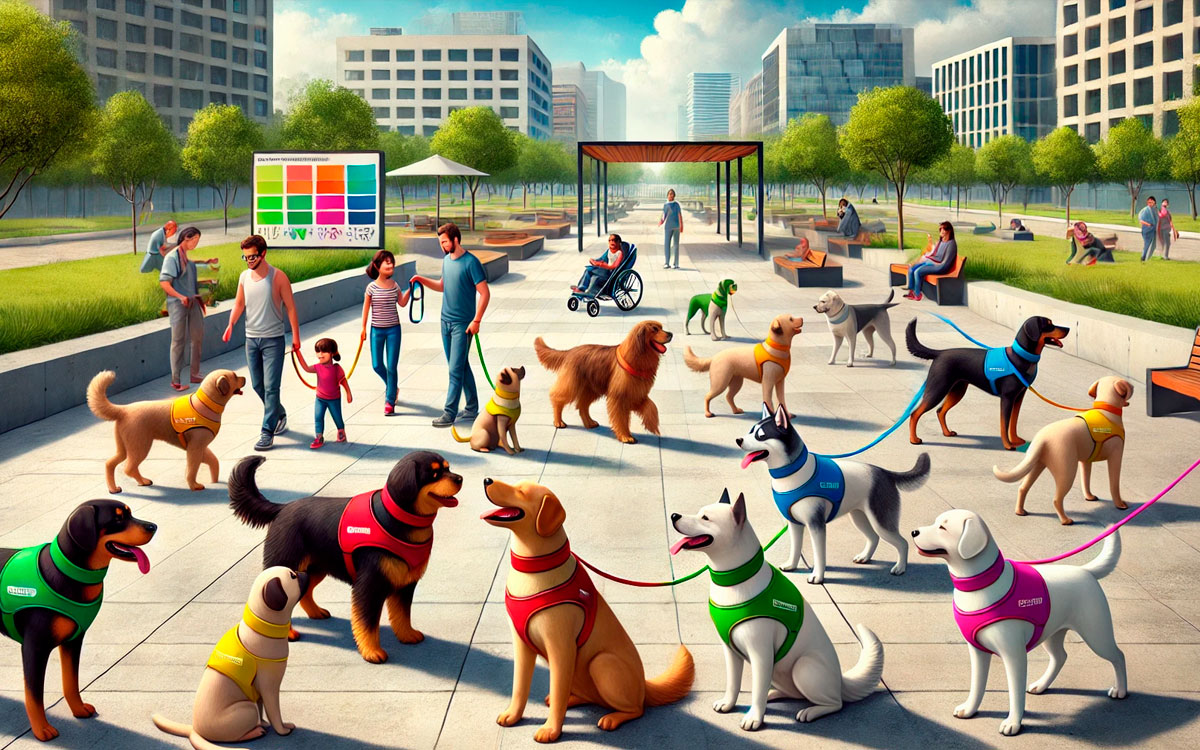
If you live in Mexico City and have a dog, you may have seen other dogs with collars of different colors. It is not a trend, nor a simple accessory. It is an official coexistence code, promoted by the Government of Mexico, aimed at improving the interaction between pets and people in public spaces.
This color-based system allows for quick identification of a dog's emotional state, temperament, or special conditions. Thus, those who encounter them in parks, streets, or common areas can know if it is safe to approach, if they should keep their distance, or if the animal requires particular attention.
Understanding the visual language of dog collars in CDMX can prevent accidents, avoid fights, and improve the quality of life for animals and their guardians.

The meaning of each color: quick guide to understanding the code
The system is very clear and is designed so that anyone, even without knowledge of canine behavior, can interpret it. Here are the meanings of each color:
- Red: Maximum caution. The dog must not be touched, neither by people nor by other animals. It may have a history of aggression, fear, or trauma. It is essential to maintain distance.
- Orange: The dog is not sociable with other dogs. While it may tolerate people, it should not interact with other pets. Contact between animals is advised to be avoided.
- Yellow: The dog is nervous, shy, or reactive. Its behavior may be unpredictable in the face of new or invasive stimuli. Better to observe without invading its space.
- Green: Good sign. The dog is friendly, sociable, and gets along well with both people and other animals. It can be petted if the guardian allows it.
- Blue: This color indicates that the dog is a service dog or in training. It should not be distracted, as it needs to focus on its tasks. It often accompanies people with disabilities.
- Purple: The dog has a special medical condition. It should not be fed or touched without permission. It may be under treatment or have severe allergies.
- White: The animal has some disability, such as deafness or blindness. It is necessary to approach carefully and respect its pace and space.
This visual code does not replace the use of a leash or muzzle when necessary, but it does help create a safer and more understanding environment among the city's inhabitants and their pets.
A measure that protects everyone: humans and animals
According to animal welfare specialists, this collar system not only facilitates interaction in public spaces, but also promotes empathy, education, and responsibility.
The new dog color code CDMX that everyone should know before going to the park
Many conflicts between dogs —and between guardians— arise from misunderstandings or unwanted approaches. With colored collars, these encounters can be managed better from the start, avoiding stressful situations, fights, or even bites.
Additionally, guardians of dogs with red or orange collars are encouraged to also use a leash and muzzle, especially in crowded areas. This recommendation does not seek to stigmatize animals, but rather to ensure the safety of all.
Prohibition of mistreatment: goodbye to punishment collars in CDMX
Alongside the implementation of the color code, the Animal Protection Law of Mexico City has progressed in the prohibition of punishment collars, such as prong, choke, or electric collars.
As of 2024, these methods are completely banned in the capital, as they have been classified as instruments of mistreatment and animal cruelty. Instead, the use of collars with a harness is promoted, which distributes pressure better and prevents physical harm.
This law also reinforces the obligation to provide animals with a dignified environment, with access to medical care, exercise, proper nutrition, and adequate socialization.
Conscious coexistence: a new approach to urban life
Living in a city like CDMX involves sharing spaces with people, pets, bicycles, cars, and much more. Therefore, creating kinder environments for dogs also improves the quality of life for their guardians and the urban environment.
Understanding what the colors of the collars mean is a small but powerful gesture, demonstrating respect for animals and for other citizens. Additionally, it highlights the diversity of personalities and needs that exist in the canine world.

As of 2024, this is the new animal law in CDMX that changes how we treat dogs
This system also invites breaking stigmas: not all aggressive dogs are bad, nor are all friendly dogs available for interaction. Each has its story, context, and limits.
Ultimately, a collar is not just an accessory, but a form of communication that can make the difference between a positive experience and an avoided incident.