Netflix: what this Thai movie reveals about family when it's almost too late
It's on Netflix: "How to Be a Millionaire Before Grandma Dies" is a dramedy that explores selfishness, inheritance, and the possibility of healing before goodbye.
How to Become a Millionaire Before Grandma Dies: A Story About Greed, Goodbyes, and What’s Left to Repair
In the midst of a world saturated with digital relationships, work pressures, and a marked emotional disconnection, How to Become a Millionaire Before Grandma Dies emerges as an unexpected, endearing, and deeply human proposal. This Thai bittersweet comedy directed by Pat Boonnitipat became a surprising hit in its country and other Asian markets, touching on a universal chord: the fragility of family ties in the face of time.
The film begins with a scene that condenses its spirit: on the Day of the Dead, Amah (Usha Seamkhum) waits, as she does every year, for her children and grandchildren to join her in a simple ceremony to honor the deceased. But her family is more interested in their cell phones, postponed meetings, and the constant rush of modern life. Even her grandson, M (Putthipong Assaratanakul), goes through the rituals mechanically, eager to return to his console as soon as possible.
How to Become a Millionaire Before Grandma Dies: A Minimal Tragedy, A Self-Interested Gesture
A domestic accident and a hospital visit end up revealing a terminal illness in Amah. And it is here that the true conflict arises: her grandson, rather than being alarmed by his grandmother's health, sees an opportunity. He decides to take care of her in the hope of inheriting her house in Bangkok's Chinatown.
This initial gesture of greed is presented without immediate moral judgments. The film, instead of condemning, allows itself to observe: through this forced bond between M and Amah, a coexistence emerges where repressed emotions, unspoken resentments, and shared memories begin to reconfigure the present.
A Gentle Tone That Avoids Melodrama
Pat Boonnitipat does not try to hide the emotional intentions of his debut feature. On the contrary: he embraces them with honesty and constructs a story where the characters, despite their flaws, feel close, real, and vulnerable. The film avoids easy sentimentality without ceasing to move. It bets on contained tenderness, on possible reconciliation without grand speeches, on the small acts that rebuild broken ties.
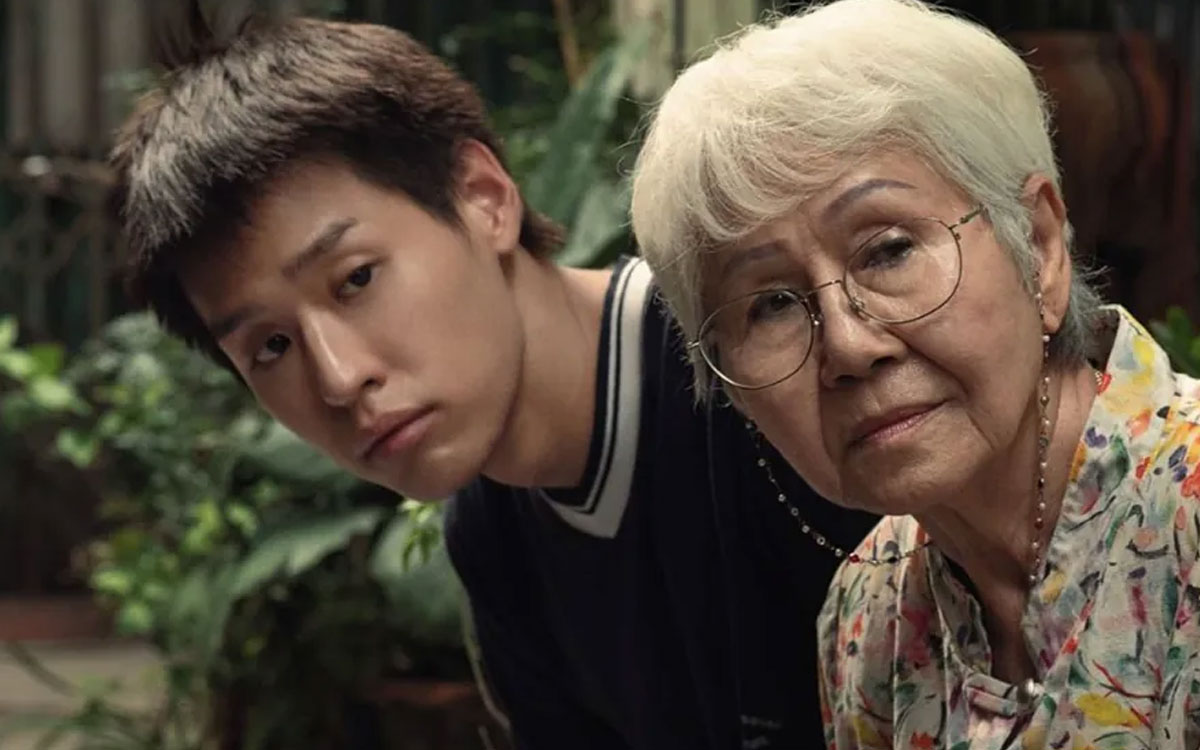
An Inheritance, A Grandmother, and An Opportunity: The Most Sincere Portrait of Family
The director manages to find a just balance between the funny and the moving, allowing the narrative to stand on both intimate dialogues and loaded silences. What seems like a morality tale gradually transforms into a sensitive look at the dignity of old age, family abandonment, and the possibility of redemption.
The House, The Soup, and The Invisible Legacy
One of the film's most powerful aspects is its ability to show without explaining. Through everyday scenes, such as selling rice soup at dawn or chatting with neighbors, we discover that Amah is not just an endearing figure: she is the silent pillar of a story that her children do not know, nor took the time to listen to.
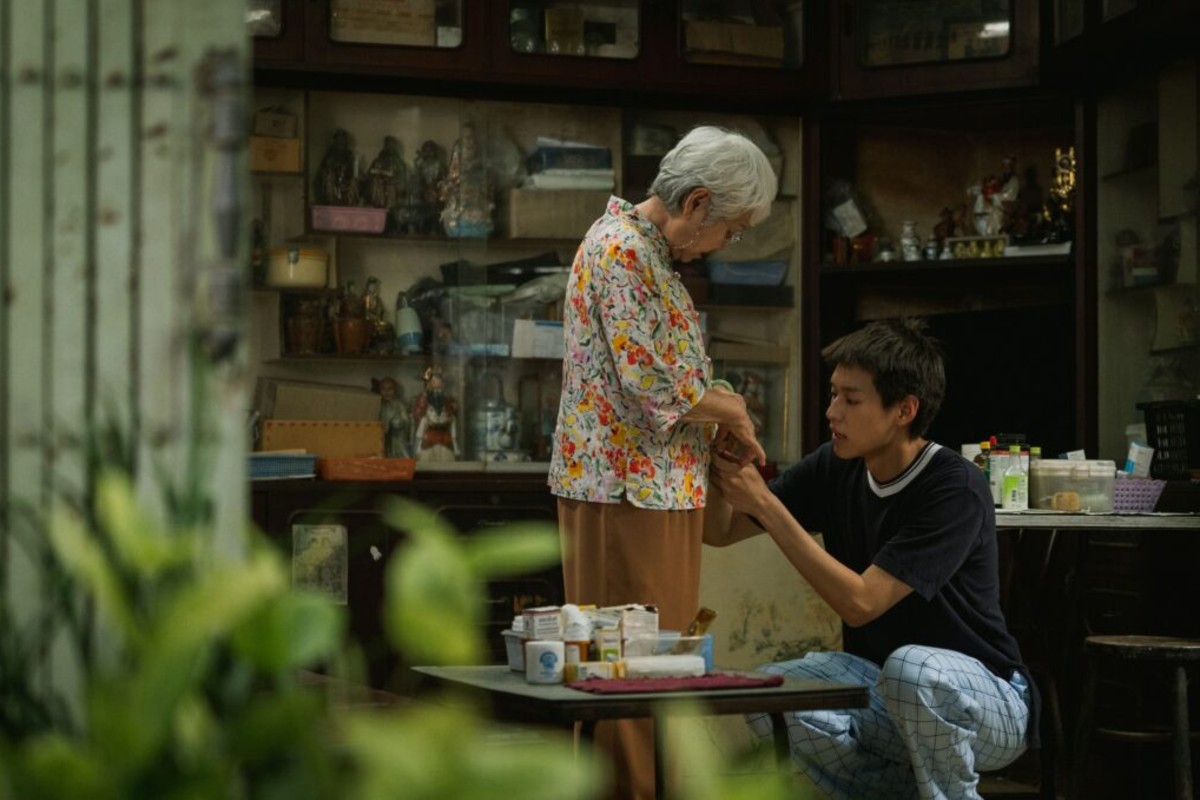
The Bond That Is Recovered When It Seems Too Late: The Film That Moved Asia
Her small world—made of recipes, memories, and customs—is also a time capsule that is about to disappear. And it is in that space, both physical and emotional, where her grandson begins to redefine what he thought he understood about life, success, and family.
From the Screen to the Body: The Generational Distance
M's transformation is built in contrast to his surroundings. An up-and-coming gamer, absorbed in screens and games, his life revolves around digital achievements and material goals. But contact with illness, physical care, and his grandmother's routines—plus his cousin, who gives him a silent lesson on what it means to care—confronts him with a reality that forces him to mature.
The film does not oppose generations in a simplistic way. Instead, How to Become a Millionaire Before Grandma Dies delicately shows what one generation ignores about the other, and how that gap can begin to close with small gestures: preparing a meal, accompanying to the doctor, attending without looking at the clock.
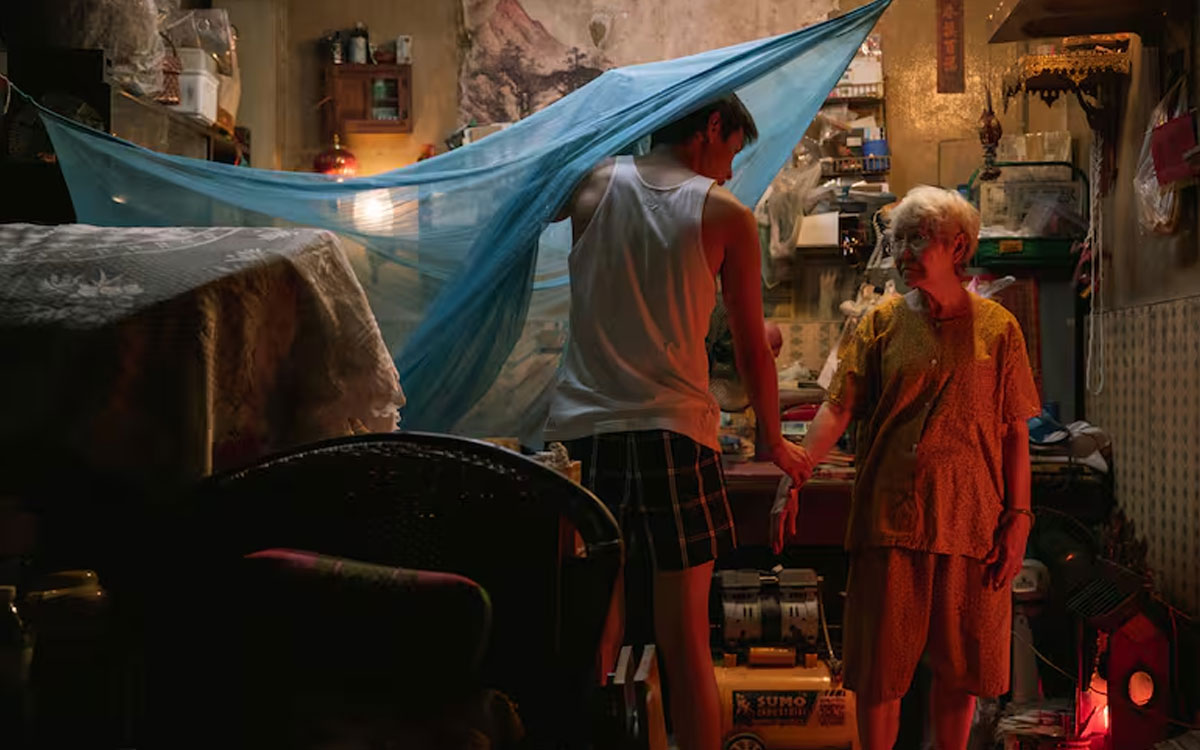
How to Become a Millionaire Before Grandma Dies: What a Goodbye Teaches
An Inheritance Beyond Material Goods
Ultimately, the film suggests that the true inheritance is not material, but emotional. That values, shared time, and the recognition of the other in their fragility are what remains when life begins to fade away.
Through a simple yet effective staging, with warm photography and contained performances, this Thai production achieves something that few family films manage: to speak of pain without solemnity, and of love without sentimentality.