How to care for a poodle's eyes to keep them healthy
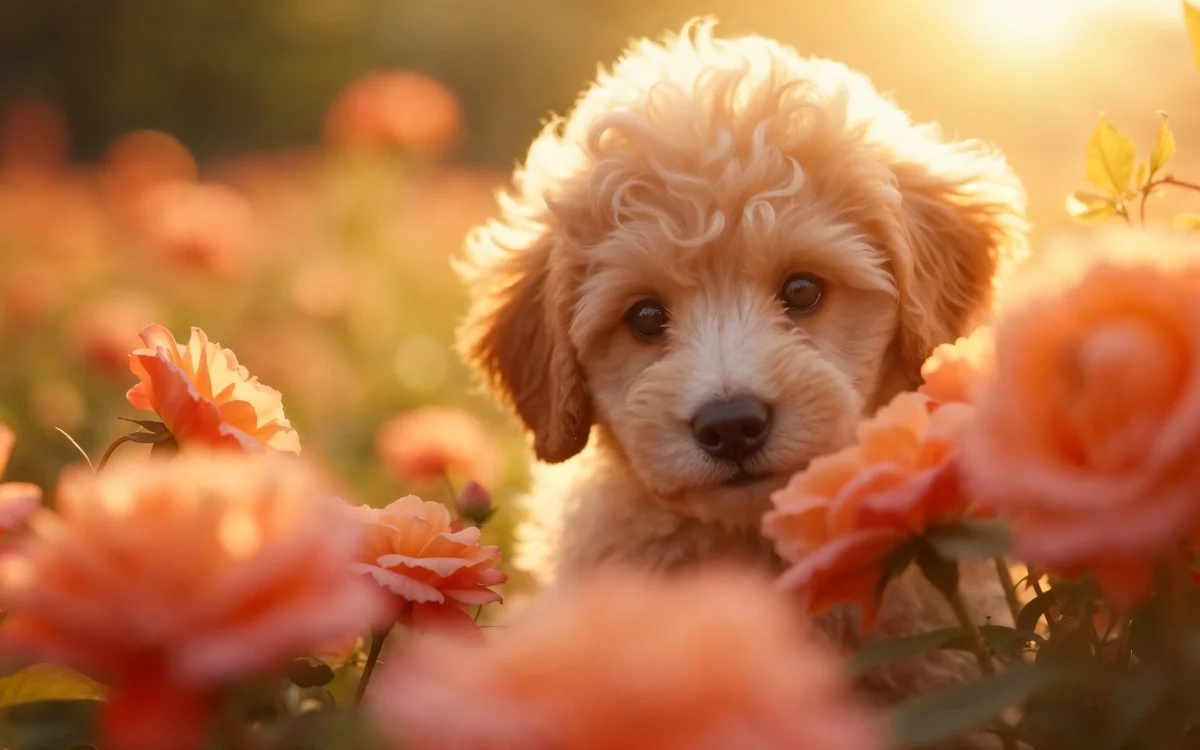
The poodle, also known as poodle, is one of the most beloved breeds due to its loyalty and intelligence. Despite its popularity, one of the special care requirements for this breed is attention to its eyes, as they often show stains around the tear ducts, a common problem among poodles of all sizes (giant, medium, miniature, and toy). Maintaining eye hygiene is key to preventing these issues and ensuring your pet's well-being.
The importance of hygiene in the poodle's eyes
Keeping the eyes and tear duct area clean in a poodle is essential to prevent dark or brown stains that form due to the accumulation of tears and discharge. These stains are a combination of moisture and bacteria, making this area a breeding ground for infections and other health problems.
Although chamomile has traditionally been recommended for cleaning dogs' eyes, its use is currently discouraged because it can cause irritation. The best option is to use specific eye hygiene products, known as eye cleaners, which can be found in veterinary clinics or specialized stores. These cleaners are specially formulated to remove stains and care for the eyes safely.

Another homemade alternative, although less effective than specific products, is to use bottled mineral water to clean the area around the eyes. You can also apply a small amount of camphor-free petroleum jelly on the lower part of the tear ducts to prevent the formation of stains in this area. Petroleum jelly acts as a barrier, preventing the moisture from tears from staining the fur.
How to clean a poodle's eyes correctly?
To perform a proper cleaning, follow these steps:
-
Cleaning with water or eye cleaner: Moisten a cotton ball or gauze with mineral water or the specific eye cleaner. Gently clean around the eye and tear duct, removing any dirt or accumulated residue.
-
Application of petroleum jelly: After cleaning, apply a small amount of petroleum jelly on the lower part of the tear duct, which will prevent moisture from causing stains on the fur.
-
Cleaning frequency: Perform this cleaning daily or every other day, especially if your poodle tends to produce a lot of tears.
Common eye diseases in poodles
Stains in the tear ducts are not always due to a lack of cleaning; sometimes, they can be a symptom of some eye disease. The following are some of the most common in poodles:
1. Conjunctivitis
Conjunctivitis in dogs can have different causes, such as allergies, bacterial infections, foreign bodies (like seeds or small objects that get under the eyelid), or even a condition called dry keratoconjunctivitis, which is a reduction in tear production. This inflammation causes an increase in eye secretions, making the poodle have more discharge than normal, which is usually thicker.
In these cases, it is important to consult a veterinarian for an accurate diagnosis, as the treatment for conjunctivitis varies depending on its origin. If it is allergic, specific products can be used to relieve inflammation, while bacterial infections may require antibiotic eye drops. However, it is essential not to medicate without veterinary supervision.
2. Dry keratoconjunctivitis
Dry keratoconjunctivitis, or "dry eye," is a condition in which the eye does not produce enough tears. This causes dryness and irritation in the eye, which, besides being uncomfortable for the poodle, increases the likelihood of developing infections. Dogs with dry eye often need medications that stimulate tear production, such as specific eye drops, and in severe cases, lifelong treatment may be required.
Tips to avoid eye problems in your poodle
In addition to daily cleaning, there are other practices that can help you care for your poodle's eyes and prevent future complications:
- Keep the hair short around the eyes: Poodles have curly and dense fur that, if not cut properly, can fall over the eyes and accumulate dirt or irritate them. Make sure to trim the hair in this area so that it does not rub against the eyes and cause discomfort.
- Avoid using irritating products: Do not apply human cleaning products, such as lotions or shampoos, near the dog's eyes, as they can cause irritation.
- Consult the veterinarian for any symptoms: If you notice an increase in discharge production, redness in the eyes, sensitivity to light, or any change in your poodle's eye behavior, consult the veterinarian as soon as possible. Eye problems can evolve quickly and, if left untreated, can compromise your pet's vision.
- Do not self-medicate your poodle: Self-medication is especially risky in the case of the eyes. Using eye drops without a prescription can worsen the problem. For example, an eye drop with corticosteroids may be helpful for allergies, but if the dog has an eye ulcer (due to a foreign body or infection), the corticosteroid can slow the healing of the ulcer and worsen the problem, putting the poodle's vision at risk.
When to see the veterinarian
It is essential to be alert to the symptoms of eye diseases in your poodle and know when it is time to see the veterinarian. Some symptoms that indicate the need for a professional check-up include:
- Excessive tear production or abnormal secretions
- Redness of the eyes or tear duct area
- Frequent eye scratching or rubbing the face against surfaces
- Swollen eyelids or visible irritation
- Changes in the color or appearance of the eye (such as opacity or loss of shine)
- Sensitivity to light or difficulty keeping the eyes open
Other recommendations for eye care in poodles
- Balanced diet: A diet rich in nutrients and antioxidants, such as vitamins A and C, is important for the eye health and overall well-being of your poodle. A well-fed dog will have a better immune response against eye infections.
- Exercise and outdoor care: Although poodles usually adapt well to home life, it is always important for them to exercise outdoors. However, when walking your poodle, avoid areas with a lot of dust, thorny plants, or objects that could harm their eyes.
- Regular veterinary visits: Scheduling routine visits to the veterinarian is an excellent way to detect health problems in your pet before they become serious.
Caring for a poodle's eyes is not complicated if a proper hygiene routine is followed and attention is paid to symptoms that may indicate a problem. These care practices, in addition to improving your pet's appearance, will contribute to their well-being and keep them happy and healthy.