How biological rhythms affect longevity, according to Sebastián La Rosa
Sebastián La Rosa refutes common beliefs about caloric expenditure and suggests that small modifications in the daily routine, such as optimizing rest and adjusting the diet, can have a significant impact on health and aging
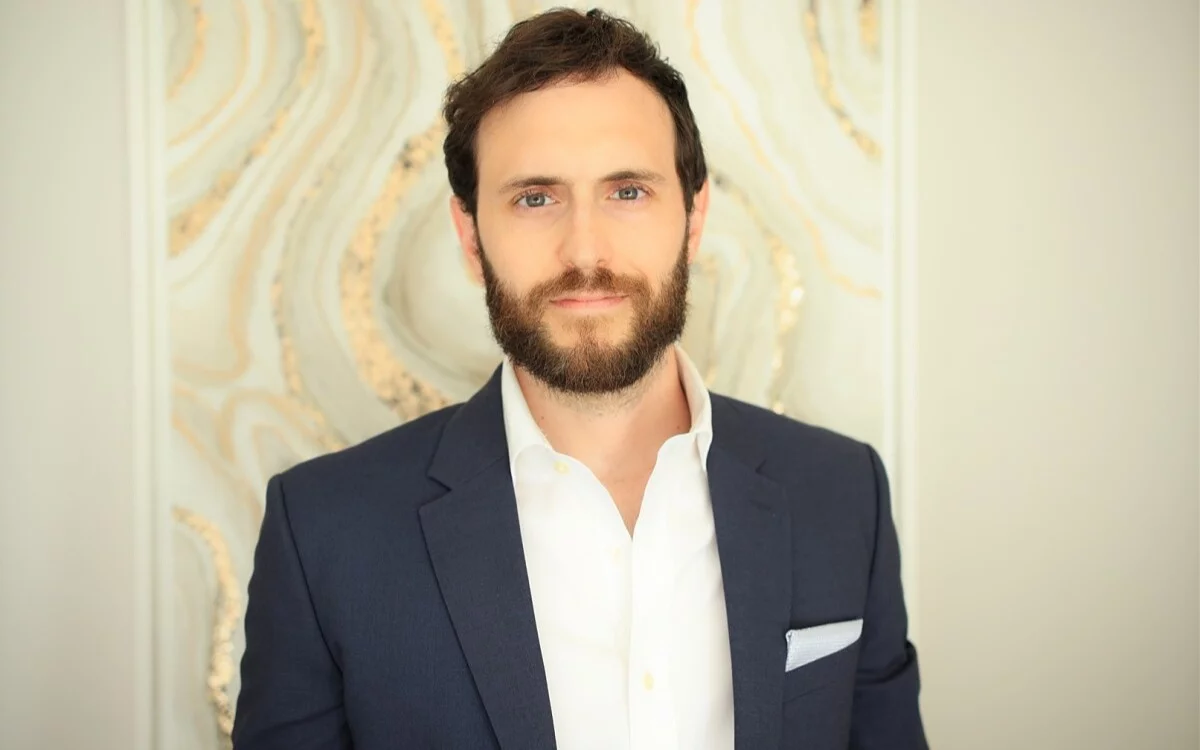
Sebastián La Rosa, doctor and communicator, challenges myths about longevity with a scientific and practical approach. In his analysis, he highlights the importance of respecting natural biological rhythms to improve quality of life and prolong healthy years. La Rosa explains that it is not just about living longer, but about living better, emphasizing the quality of sleep, balanced nutrition, and daily habits based on scientific evidence.
The Importance of Biological Rhythms
Sebastián La Rosa, a doctor and communicator specializing in longevity, emphasizes that respecting biological rhythms is essential for optimizing health and extending healthy years of life. He argues that it is not enough to live longer; it is key to live better, and for that, the body must remain in sync with its natural cycles.
Keys to Sebastián La Rosa's Approach
- Natural cycles and longevity: La Rosa indicates that physiological rhythms, such as sleep and wakefulness, influence aging mechanisms. Ignoring these cycles can deteriorate quality of life and increase the risk of age-related diseases.
- Quality of sleep: Improving nighttime rest has a direct impact on longevity; sleeping adequately favors cellular repair and regulates metabolic processes that delay aging.
- Nutrition adapted to body rhythms: Eating in accordance with physiological schedules—such as avoiding heavy meals close to bedtime—supports the body's natural repair and detoxification processes.
- Energy compensation: La Rosa demystifies the idea that only burned calories matter. He explains that the body has compensation mechanisms that adjust energy expenditure according to habits and biological cycles, so small routine improvements can have cumulative and positive effects on long-term health.
Social Factors and Habits
- Social isolation: The specialist warns that isolation can also accelerate the aging process, affecting biological and emotional rhythms. Maintaining social ties and healthy routines helps preserve vitality.
- Exercise and natural light: Integrating physical activity and regular exposure to sunlight synchronizes the body's biological clocks, improving the expression of genes related to longevity and cellular regeneration.
What are circadian rhythms and how do they influence the acceleration of aging?
Circadian rhythms are physiological cycles of approximately 24 hours, regulated mainly by the central biological clock (located in the suprachiasmatic nucleus of the brain) and synchronized by external factors such as light, physical activity, and meal times. These rhythms regulate essential functions such as sleep, wakefulness, body temperature, hormonal secretion, and metabolism.

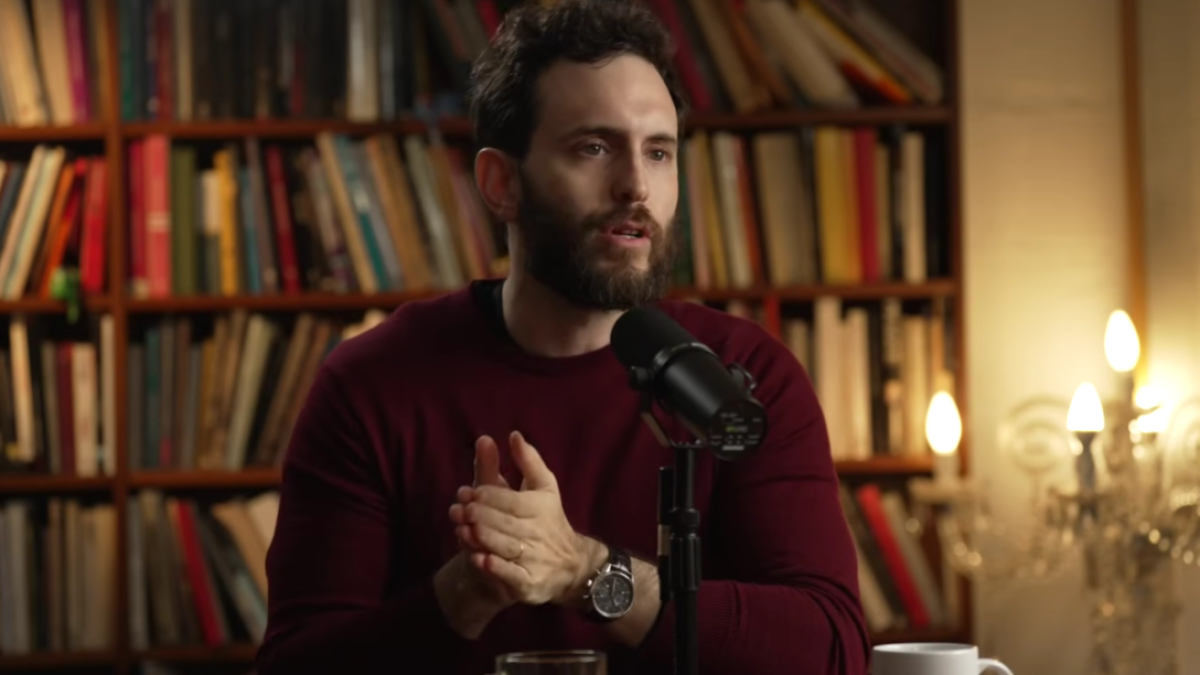
La Rosa combines traditional medicine and complementary therapies, relying on international studies to promote a sustainable lifestyle.
How do disruptions of circadian rhythms accelerate aging?
Desynchronization or disruption of circadian rhythms—also known as chronodisruption—can accelerate biological aging in different ways:
- Deterioration of the sleep-wake cycle: In older adults and those with chronodisruption, fragmented, shallow, and lower-quality sleep is common. This affects nighttime cellular repair processes and promotes premature aging of tissues and organs.
- Impact on regeneration and cellular plasticity: Experimental studies have shown that disruption of the circadian clock in specific tissues (e.g., muscles and skin) causes cumulative damage, premature aging, and reduced regenerative capacity, both in humans and animal models.
- Increased risk of age-related diseases: Chronodisruption is associated with a higher risk of metabolic syndrome, type 2 diabetes, cardiovascular diseases, cognitive deficits, mood disorders, sleep disturbances, and certain types of cancer. Many of these conditions are characteristic of or worsen with aging.
- Increased oxidative stress and inflammatory processes: Poor circadian synchronization favors oxidative stress—one of the main mechanisms of cellular aging—as well as a chronic inflammatory response in the body.
- Loss of synchronization between central and peripheral clocks: When the master clock and the peripheral clocks of different organs become misaligned, the body loses its ability to coordinate vital functions efficiently, accelerating the wear and overall aging of tissues.
Common manifestations of circadian disorders in aging
-
Fragmented sleep, early awakenings, or insomnia.
-
Fatigue and lack of energy during the day.
-
Metabolic disturbances (weight gain, insulin resistance).
-
Higher prevalence of degenerative diseases (Alzheimer's, Parkinson's).
-
Increased incidence of skin and muscle problems, such as loss of muscle mass or premature skin aging.
Can the acceleration of aging associated with circadian rhythms be prevented?
Maintaining regular sleep and wake routines, exposing oneself to natural light, engaging in physical activity, and adhering to regular meal times are practices that help synchronize the biological clock and slow down processes associated with accelerated aging.
In conclusion, proper synchronization of circadian rhythms is crucial for delaying the onset of signs and diseases associated with aging. Chronic disruption of the biological clock is not only a marker of the passage of time but an active cause that can accelerate the deterioration of multiple systems and vital functions of the body.