Halloween: Is it really a night for demons?
Halloween Superstitions: An opportunity for demons or just a night of fun? Discover the origin and the myths behind this celebration
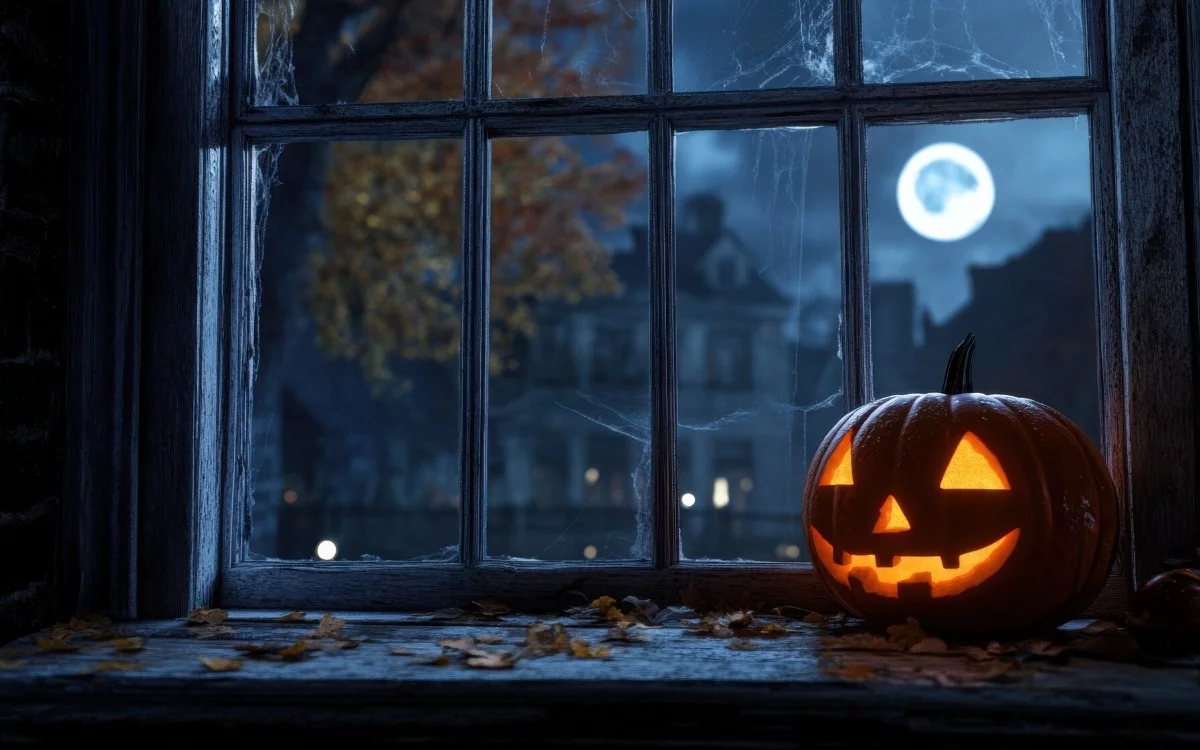
Halloween, celebrated on October 31, is a night full of costumes, carved pumpkins, and candy, but it is also wrapped in ancient beliefs that present it as a time of special sensitivity to the supernatural. According to certain religious and cultural interpretations, this date could open a portal for the manifestation of spiritual or even demonic energies in the world of the living. But, what is the origin of Halloween and how did it come to acquire this fame?
The current celebration of Halloween has its roots in ancestral practices dating back to Celtic cultures, where Samhain, the precursor to Halloween, represented a time of transition between the harvest seasons and the cold winter. According to ancient beliefs, during the night of Samhain, the veil separating the world of the living from that of the dead became thinner, allowing spirits to cross to Earth and temporarily coexist with mortals. This belief was later absorbed and adapted by Christian culture, incorporating elements that promoted the idea of Halloween as a celebration linked to the mysterious, the supernatural, and, for some, to the influence of dark forces.
The Church and its warning about Halloween
Throughout the centuries, the Catholic Church has expressed a cautious stance regarding Halloween, especially considering its pagan origins and its relationship with occult practices. Although currently the Church does not have a uniform official position, some religious sectors warn about the spiritual dangers they consider linked to Halloween, and some clergy have cautioned the faithful about the possible “risk” of participating in a celebration that, according to them, can open the doors to evil influences.
This view is not new: for decades, some religious leaders have considered that the celebration can incite people, especially the young, to approach practices that, although seemingly harmless, could open doors to the dark. This perspective has impacted the popular perception, especially in certain cultures where Halloween is still seen as a night for the presence of demons and other supernatural beings.
Film and popular culture: reinforcing the myth
Beyond religious beliefs, film and popular culture have been decisive in consolidating the idea of Halloween as a dangerous night. Iconic movies like The Exorcist and The Shining have shown demonic figures and supernatural elements, associating them with this celebration and generating an aesthetic and symbolism that still endure. These elements have fueled superstition and fear, reinforcing the idea of Halloween as a night where the supernatural is at the forefront.
Other more grotesque classics, such as the Halloween saga, Trick or Treat, or the upcoming Terrifier 3, which will be released on Halloween 2024, also exploit these fears and superstitions by presenting stories that combine horror with the aesthetic of this celebration. Audiovisual representation has contributed to creating a narrative in which Halloween is, almost by definition, a night of risk and supernatural danger.
Pope Francis and the reality of evil
Pope Francis, leader of the Catholic Church, has spoken on several occasions about the existence of evil and the devil, emphasizing the need for spiritual protection and to stay away from temptations. Although the Pope has not made an explicit connection between Halloween and the presence of demonic forces, his statements about the power of evil are interpreted by some sectors as an indirect warning.
In the Pope's discourse, the devil is a real figure that represents temptation and the separation from goodness. In his view, the spiritual struggle is ongoing, but it is not limited to a specific date or a particular celebration, so there is no direct link between these statements and Halloween. Nevertheless, for some believers, these messages reinforce their perception of Halloween as a celebration that can open doors to evil influences.
Science and myths: is there evidence of greater demonic influence on Halloween?
Despite the beliefs and warnings from certain sectors, there is no scientific or historical evidence supporting the idea that demons have greater power or that they have a special opportunity to influence the world during Halloween night. In fact, this notion is a cultural construct based on superstitions and the interpretation of cultural elements that have evolved and acquired different meanings.
From an anthropological and cultural perspective, Halloween is a celebration that has evolved over the centuries and adapted to the customs of different eras. Reducing this night to an “opportunity for demons” is an extreme simplification of a celebration that has a much broader and more complex cultural background.
Halloween: from superstition to modern celebration
Today, Halloween is primarily a playful celebration. For many, it represents an opportunity to dress up, enjoy candy, and celebrate with friends and family. Most people do not associate it with dark rituals or demons, but with entertainment and a moment for creative expression. While the roots of Halloween lie in ancient festivities related to the spiritual world, its meaning has changed over time.
The image of Halloween as a "night of demons" remains present in popular culture and in the beliefs of some religious sectors. However, it is important to remember that it is a celebration that, like many others, has changed and adapted to the values of each era and society.
So, should we fear Halloween?
The belief that Halloween is a night when demons can influence the world more does not have real support beyond popular superstitions and cultural interpretations. Science, history, and religion do not provide concrete evidence that this celebration implies any kind of spiritual threat. However, it is understandable that people choose to celebrate (or not) this night according to their own beliefs and values.
For those who enjoy Halloween, this night can simply be an opportunity to explore mystery in a healthy and respectful way, distancing themselves from fears and seizing the occasion for creativity. Halloween, like any celebration, has the meaning that each person or culture gives it. For some, it will be a fun and uncomplicated night; for others, a moment of reflection. In any case, separating fiction from reality allows for enjoying this night in balance between fantasy and everyday life.