Common mistakes when using the car air conditioning and how to avoid them to prevent damaging the system
Why does the car air conditioning fail? Mistakes you can avoid
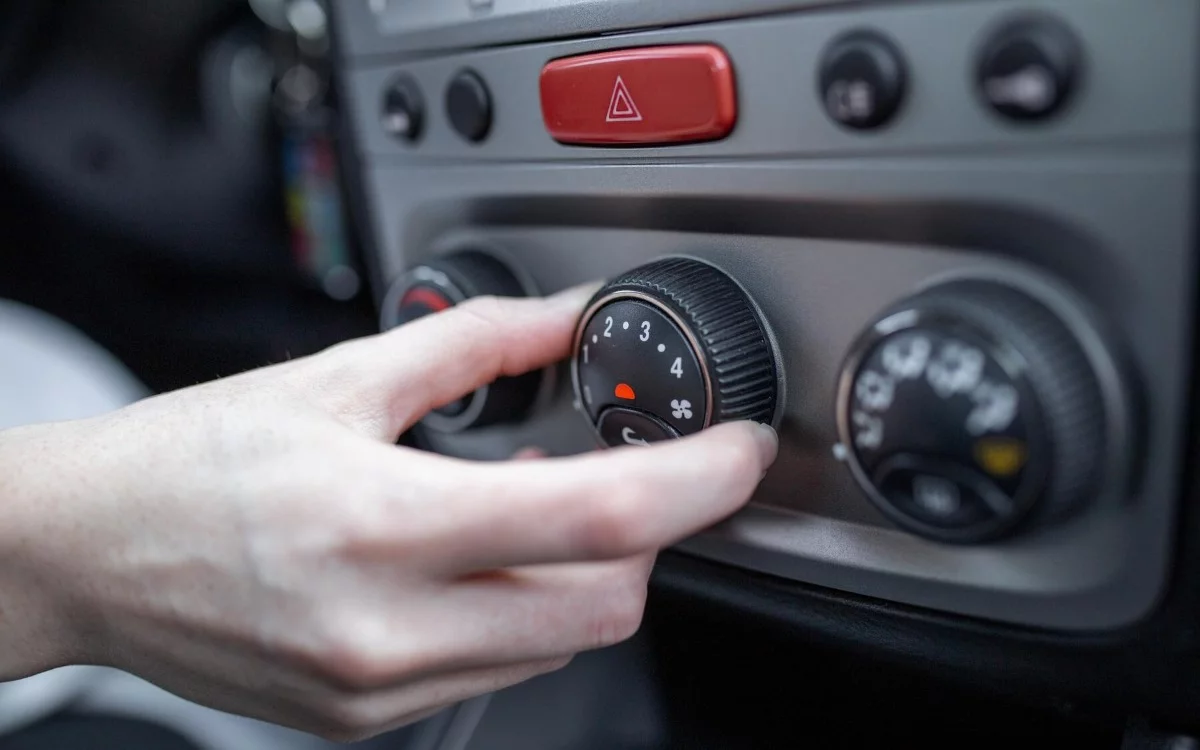
When the heat is on and the car becomes a burning extension of the street, the air conditioning becomes essential to cool the environment while we drive. However, most drivers make mistakes that reduce the effectiveness of the air conditioning and shorten its lifespan. Learning to avoid these bad habits can make a big difference in the operation and durability of the system.
Here we explore the most common mistakes in using the car's air conditioning and how to avoid them to optimize system performance and keep it in good condition for longer.
1. Turning on the air at maximum with a hot car
One of the most frequent and harmful mistakes is activating the air conditioning at full power when getting into the car, especially after having parked it under the sun. When the interior of the vehicle has reached high temperatures, it is common for people to turn on the air at maximum for quick relief. However, this practice is not only ineffective but also unnecessarily strains the system, affecting its durability.

To cool the car without overloading the system, it is more effective to open the windows and let the hot air dissipate before turning on the air conditioning. Driving for a few minutes with the windows down helps release the accumulated air, allowing the system to operate more efficiently when activated. Once the initial heat has exited, it is recommended to turn on the air conditioning at a moderate power.
2. Turning off the engine without deactivating the air conditioning
Another common mistake is turning off the car without having previously deactivated the air conditioning. Turning off the engine while the air is running causes the system to stop abruptly, which can affect both the compressor and the vehicle's battery. Additionally, this practice increases wear on the system and the likelihood of mechanical problems in the future.
To avoid these damages, it is ideal to turn off the air a few seconds before turning off the engine. This simple step allows the system to stop gradually and ensures better preservation of its components, while also taking care of the battery.
3. Using only the recirculation mode
The recirculation mode is effective for keeping the air fresh inside the car, as it prevents hot air from entering from the outside. However, always activating this function can have negative effects on the car's environment, as it does not allow fresh air to enter, which can lead to a buildup of carbon dioxide (CO₂) that causes drowsiness and discomfort.
It is advisable to alternate between recirculation mode and fresh air intake. Especially on long trips, this alternation ensures that the car is ventilated and that stale air does not accumulate, improving the comfort and safety of the occupants.
4. Neglecting system maintenance
Like any other system in the vehicle, the air conditioning needs proper maintenance to function correctly. Many drivers overlook this need and, over time, the system begins to lose efficiency due to the accumulation of dust and particles in the filter. This not only reduces airflow but also forces the system to work harder, increasing wear.
To avoid these problems, changing the air conditioning filter every 10,000 or 15,000 kilometers is a key practice. Additionally, having a periodic check at a specialized workshop allows for verifying the condition of the compressor and refrigerant gas, ensuring that the system is in optimal condition.
5. Not using the air conditioning in winter
A common mistake is activating the air conditioning only in hot months. However, using the air conditioning even in winter can be beneficial. Turning it on during this season prevents the system from deteriorating due to lack of use, and also helps eliminate humidity from the cabin in cold or rainy climates.
To keep the system in good condition, it is recommended to turn on the air conditioning for a few minutes each week even in winter. This keeps the compressor lubricated and functioning, reducing the likelihood of problems arising from lack of use.
6. Directing air outlets towards the face
On a hot day, it is natural to want to direct the cold air straight at the face for immediate relief. However, this practice is not the most effective for cooling the interior of the car. Aiming the air outlets towards the ceiling of the cabin allows the cold air to distribute more evenly, quickly and uniformly cooling the entire environment.
By directing the air upwards, the system can refresh the interior of the car without forcing the airflow in one direction. This practice improves system efficiency and provides a general feeling of coolness for all passengers.
Additional tips for good air conditioning operation
To prolong the life of the air conditioning and keep it in optimal condition, here are some useful tips:
- Check the refrigerant gas level every year: A low refrigerant level reduces system efficiency and increases component wear.
- Keep the system free of obstructions: Regularly clean the filter and ventilation grilles to ensure proper airflow.
- Avoid using the air at cool outside temperatures: On cold days, the air conditioning is unnecessary, and its unnecessary use causes premature wear.
- Park in the shade whenever possible: By reducing the amount of heat that accumulates inside the car, you help the air conditioning cool faster when turned on.
Advantages of taking care of the car's air conditioning
Using the air conditioning correctly not only helps prolong its lifespan but also offers other significant benefits in terms of comfort, savings, and safety:
- Better fuel performance: Using the air conditioning moderately prevents excessive gasoline consumption.
- Lower risk of battery failures: Proper use reduces pressure on the battery, increasing its durability.
- Greater comfort for passengers: By optimizing the performance of the air conditioning, the system can keep the interior cool and comfortable.
The air conditioning is a resource that goes beyond simply turning it on during hot days. Avoiding turning on the air at maximum immediately, alternating the use of recirculation, and regularly ventilating the system are simple yet crucial practices to ensure it operates at its maximum capacity and maintains the comfort of those traveling in the vehicle.