4 Mexican dishes that are no longer consumed and were considered authentic delicacies
These Mexican dishes that are no longer consumed were typical in pre-Hispanic times, but today they are forgotten and almost no one remembers them.
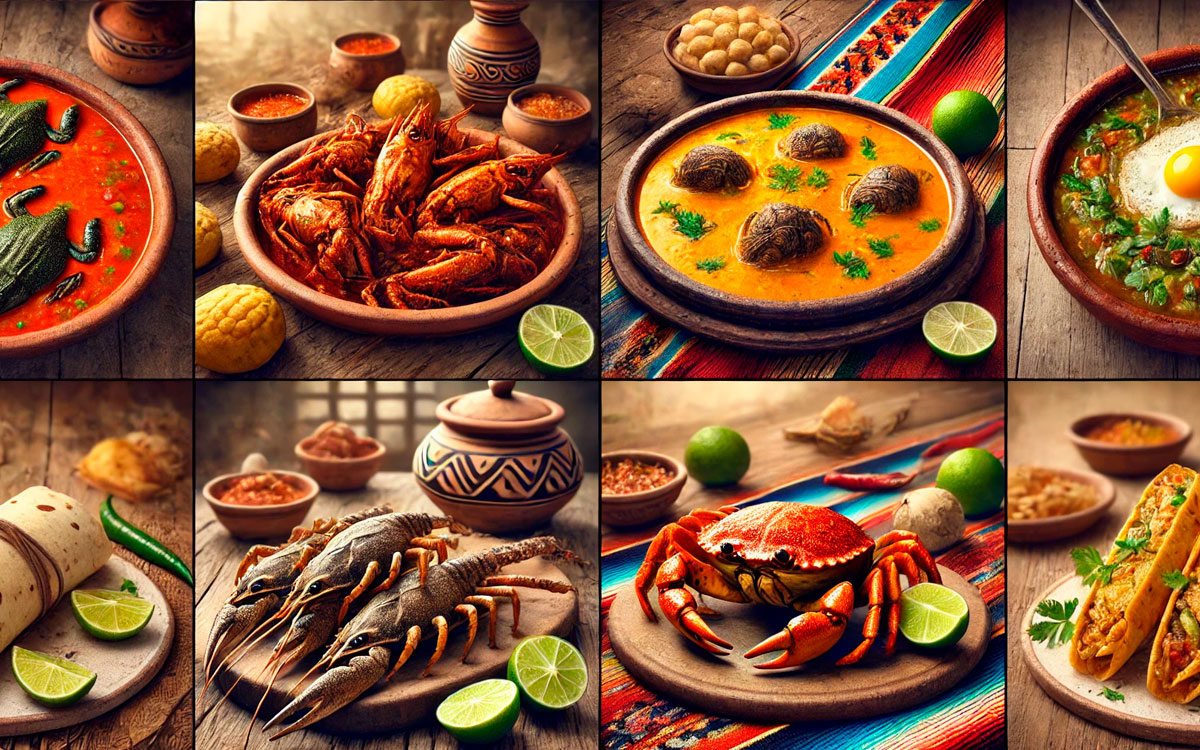
The richness of Mexican cuisine is recognized worldwide for its diversity, tradition, and flavor. However, not all dishes have managed to survive the passage of time. There are Mexican dishes that are no longer consumed and that were once a fundamental part of the daily diet, especially in pre-Hispanic times.
Today, many of them have almost completely disappeared. Whether due to changes in eating habits, the arrival of new ingredients, or health and ecological issues, some of the flavors that marked the culinary history of Mexico have been forgotten.
Below, we review four of those dishes that were once common in indigenous kitchens and that today, for various reasons, are no longer part of the everyday Mexican menu, despite being considered delicious and very nutritious at the time.
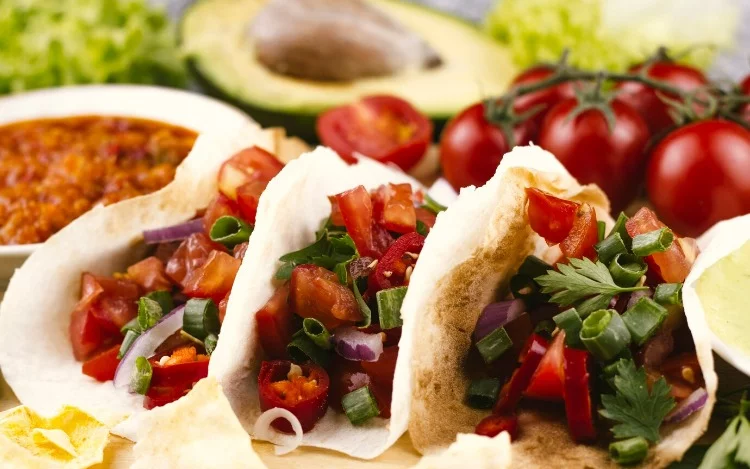
Frogs in spicy sauce: direct protein from the lake
During the pre-Hispanic era, frog legs were a highly valued food. Their meat, rich in protein, was consumed in various ways, but one of the most common was preparing them in spicy sauce, which gave them an intense flavor deeply rooted in Mexica culinary tradition.

They were also usually accompanied by corn, tortillas, and broths, integrating into the daily diet of many lakeside communities. But with the arrival of colonizers and the subsequent access to new animal proteins such as chicken, pork, and beef, the consumption of frogs became increasingly rare.
Today, their presence in Mexican cuisine is almost nonexistent. Only in some very specific towns is this practice preserved, although with minimal frequency and in artisanal preparation.
Axolotl with yellow chili: from dish to cultural symbol
The axolotl, that endemic amphibian of the lakes of the Valley of Mexico, was much more than a biological curiosity: it was a regular food in various pre-Hispanic cultures. Its meat was considered tender and tasty, and it was used to prepare everything from tamales to broths, soups, and stews with yellow chili.
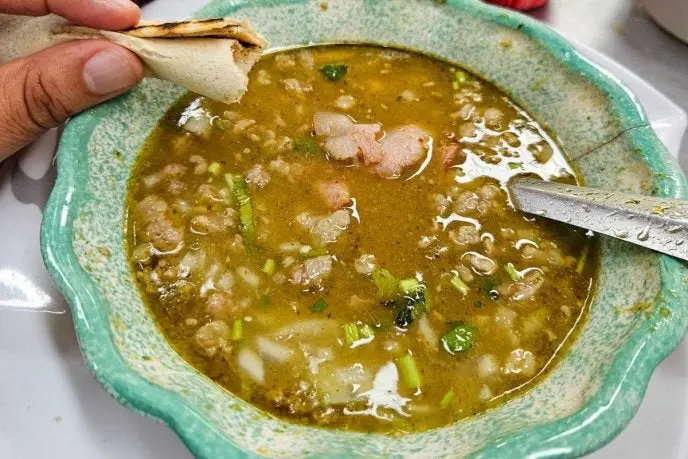
The axolotl held an important place in both nutrition and ritual ceremonies, but over time its population began to decrease drastically. Today, the axolotl is endangered, and its consumption has been completely discouraged and prohibited in most contexts, both for ecological and cultural reasons.
An article published by the magazine Culinaria, from the Autonomous University of the State of Mexico, highlights that its disappearance from the national menu was a direct consequence of efforts to conserve the species, which is now considered a symbol of Mexican identity and a reference in the fight for biodiversity.
Fly egg omelette: a ceremonial delicacy
Another ingredient that was key in the pre-Hispanic diet and that today is practically not consumed is the eggs of the Axayácatl, an aquatic fly from the Valley of Mexico.
These eggs, known as ahuautle, were used to prepare omelettes, tamales, and sauces, and had a special status: they were considered a delicacy worthy of the gods. Their consumption was reserved for special occasions and religious ceremonies, as they were also used as offerings in rituals.
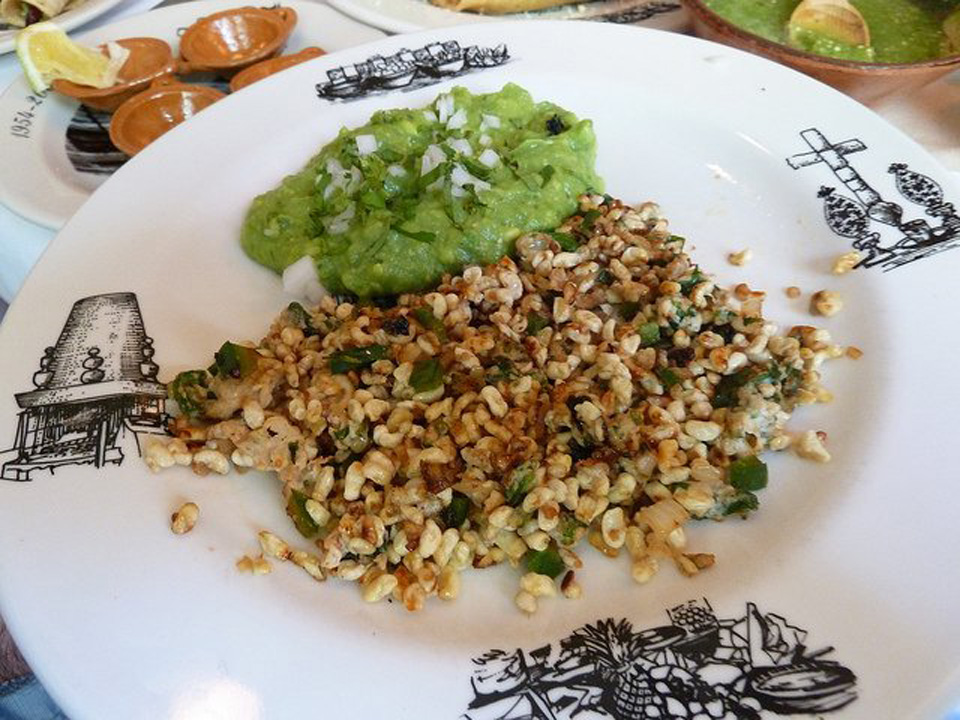
The ahuautle was highly valued for its high protein content and concentrated flavor, but with urbanization, water body pollution, and changes in food preferences, this dish has been disappearing until it is practically relegated to historical records or mentions in regional food fairs.
Roasted acociles: the freshwater shrimp that almost no one remembers
The acociles are small freshwater crustaceans, similar to shrimp, that were abundant in the lakes and rivers of ancient Mexico. In pre-Hispanic times, they were collected and roasted to eat alone, in tacos, or as part of stews, especially the so-called chalmulmulli, a type of stew served with tamales.
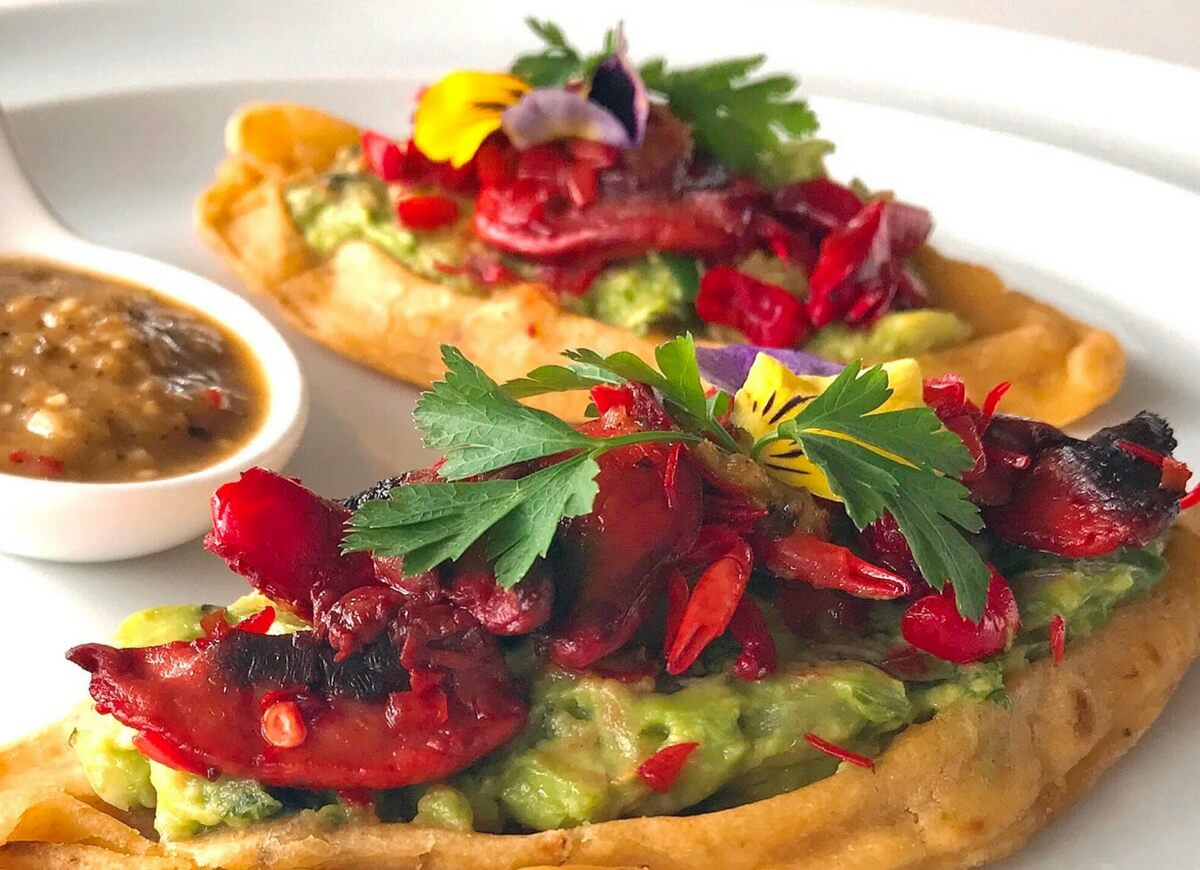
This food, although nutritious and easy to obtain, has been forgotten with the introduction of other more commercially viable seafood and the deterioration of the water bodies where acociles used to be found.
In some rural communities, it is still possible to find them, but their consumption is not recommended, as in many cases they are not cleaned or disinfected properly, which could pose health risks from bacteria and germs.
The oblivion and transformation of culinary tradition
These four examples show how Mexican gastronomy, despite its richness, is not exempt from loss or transformation. Many of the ingredients and dishes that were once part of daily life are now viewed with surprise, distrust, or even total unfamiliarity by new generations.
The change in eating habits, environmental impact, urban development, and the abandonment of certain ecosystems have modified access to these ingredients, causing many traditional preparations to disappear or become symbolic.
Recovering the memory of these dishes does not necessarily mean returning to consume them, but rather recognizing their cultural and historical value, and understanding how food also reflects the social and ecological transformations of a country.