This is how the Day of the Dead is commemorated in Quito, Ecuador.
The commemoration of the Day of the Dead, every November 2nd, represents a journey into the culture and traditions of Quito.
November 2 is the date when loved ones who have departed from this world are honored with various rites that combine spirituality with a festive and colorful atmosphere. From early in the morning, thousands of Quito residents gather at cemeteries to erect small altars with offerings of flowers and freshly painted crosses for their deceased, while sharing typical food, prayers, and songs.
As is the case with many festivities throughout Latin America, the celebration of the Day of the Dead fuses ancient indigenous rites with Catholic traditions. The indigenous peoples of Ecuador already celebrated the cult of the dead before the arrival of the Spanish, but with Christianity, the tradition adapted to the Catholic calendar. The spirituality, faith, and religious fervor of the Ecuadorian people have allowed these traditions to remain alive over time, passed down from generation to generation.
There are many distinctive rites that make this date a true popular celebration and a special occasion to visit Quito. Below, we share five activities to commemorate the Day of the Dead like a local.
Visit the Calderón Cemetery
On that day, the cemeteries come alive with the visit of family and friends who come to remember their deceased. And, without a doubt, the Calderón Cemetery, 30 minutes from Quito, is one of the most recognized. Indigenous communities gather there to pay tribute to their loved ones and, as a way to honor them and communicate, they sit around the graves sharing the deceased's favorite food, which they bring from their homes. It is a symbolic act that dates back to ancestral times and is redefined each year: the indigenous peoples used to feed the inhabitants "of the world within." The homemade and dedicated preparation of the meals is an additional reason that brings families together.
Drink Colada Morada
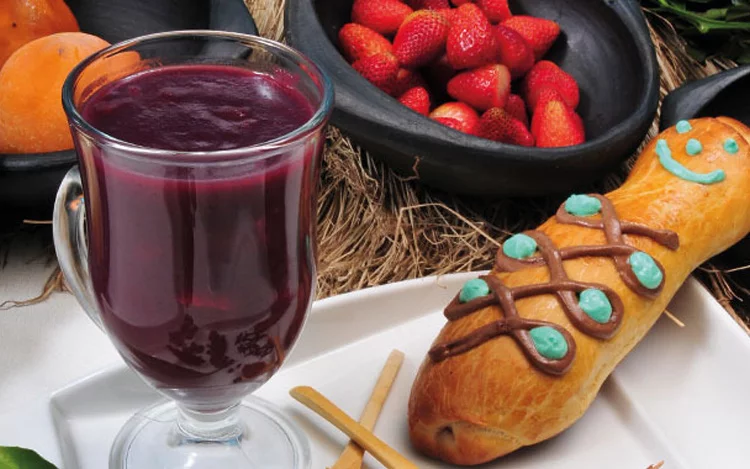
Colada morada is the most typical drink and the one most consumed during the Day of the Dead, accompanied by Guaguas de Pan. A symbol of the mestizaje that characterizes Quito's culture and gastronomy, the most widespread interpretation says that this food represents the Christian Eucharist, due to the bread and the color of the colada, similar to that of wine. This year, for the fifth consecutive year, there will be an official recognition of 25 establishments in the Metropolitan District of Quito that preserve the tradition of making Colada Morada and Guaguas de Pan for this date.
Eat Guaguas de Pan
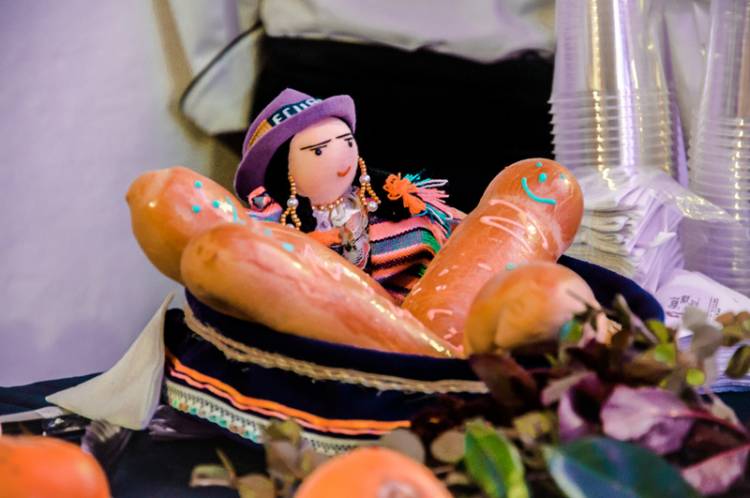
Guaguas de pan are colorful dough figures that represent the dead, especially children (“guagua” means child in Quichua). The dough is covered with colored candy sugar and its origin dates back to the 19th century. Today, they are filled with guava, fig, chocolate, cream-filled raisins, and cheese.
Explore the Theatrical Routes in the Historic Center
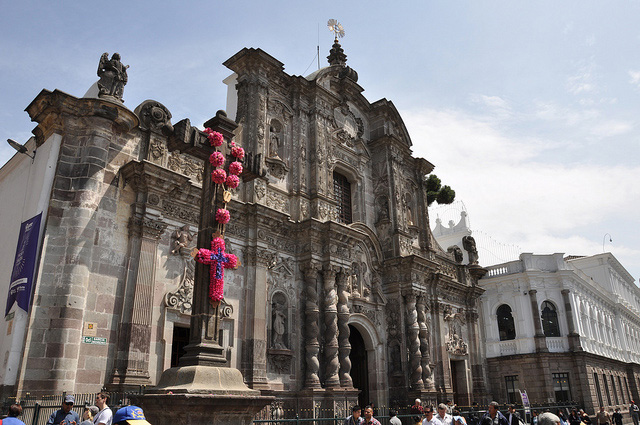
Between November 1 and 4, the artist collective Quito Eterno will conduct a theatrical night tour of the Historic Center, narrating various funeral customs. The route includes the San Diego Cemetery, the María Augusta Urrutia Museum, and the crypts of La Compañía, the Basilica of the National Vow, and the Santo Domingo Convent.
Participate in the Day of the Dead Festival
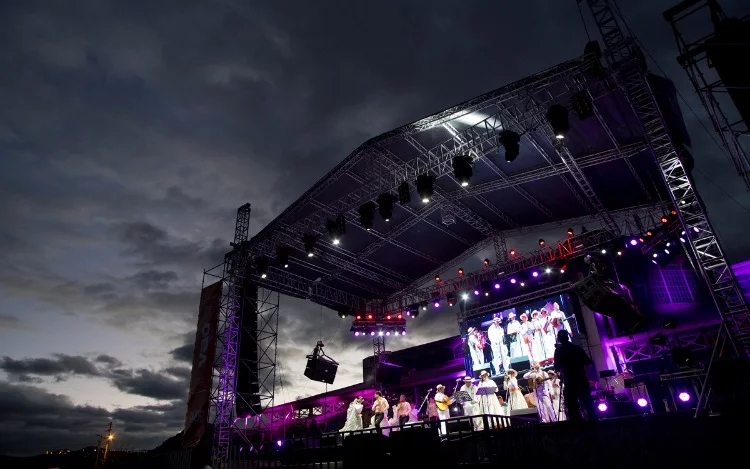
On November 2, starting at 10:30 AM, in the Atrium of the Cathedral - located in Independence Square - the Heritage Festival of the Dead will take place with the National Folkloric Ballet Jacchigua. A special setup will be created to tell how harmony was achieved with ancestors on this special date. Additionally, the public will be presented with the Dance of Peace, the Dance of Sumak Kawsay, Jesus, and the Dance of Prayer.
Visiting Quito on the Day of the Dead is an unforgettable experience for travelers and a unique opportunity to experience how Quito's culture amalgamates the past and the present, giving meaning to the most authentic flavors and popular rites.
For more information, visit www.quito.com.ec
Facebook: QuitoTurismoEC
Twitter: @VisitaQuito
Instagram: @QuitoTurismo
YouTube: VisitaQuito